
Eight Inglewood matches brought visitors across the county
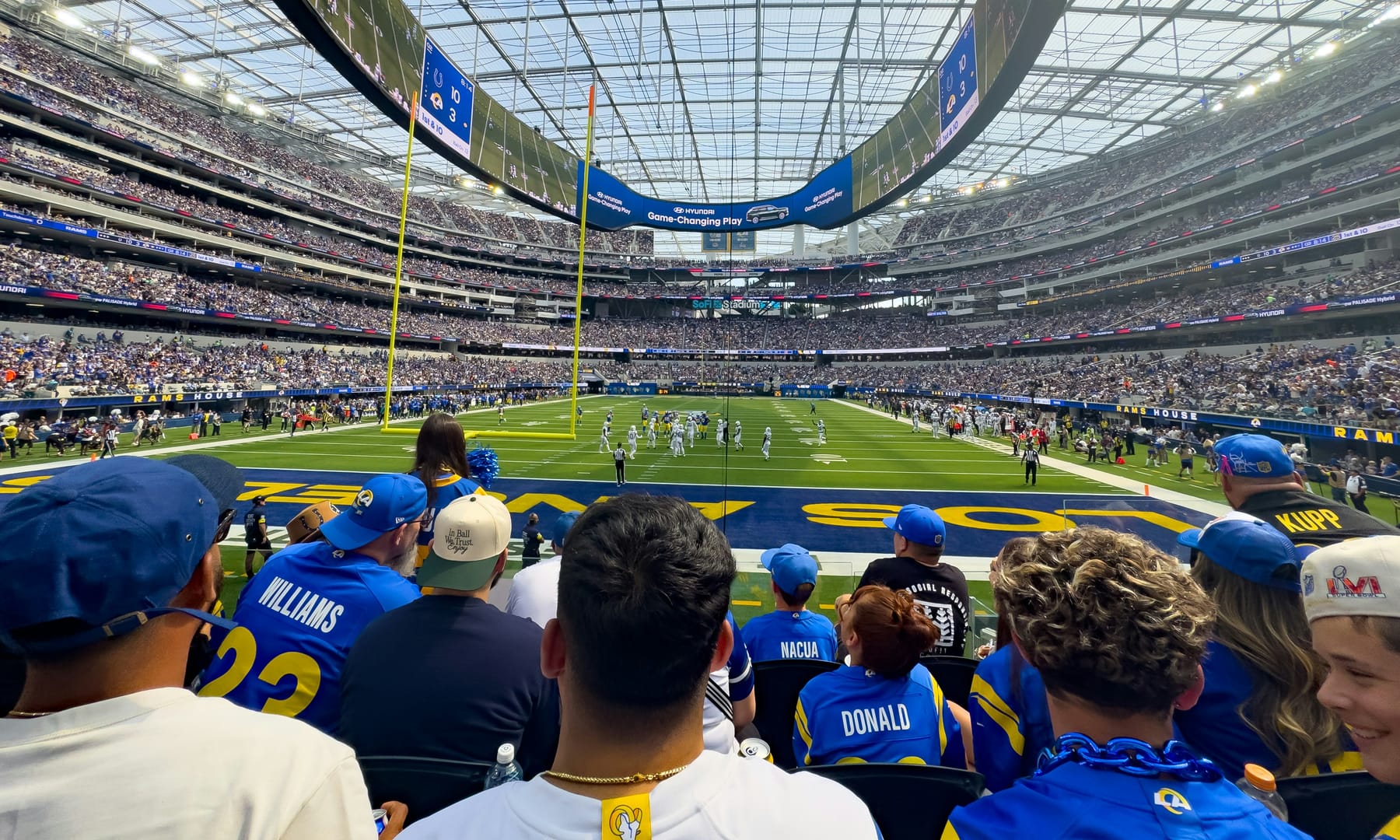
Los Angeles Stadium at SoFi hosted eight World Cup matches, including two United States group games and a quarterfinal. A stadium crowd creates the most visible demand in Inglewood, where restaurants, parking operators, ride services, and nearby hotels receive a sharp increase around kickoff. The surrounding sports district also includes the Kia Forum and Intuit Dome, giving visitors several major venues within a small area.
A visitor rarely spends an entire trip beside the stadium. International fans arrive through LAX, choose hotels across the county, eat in different neighborhoods, and may attend fan events on days without a ticket. Los Angeles Tourism promoted a 39-day calendar and ten official fan-zone locations, which helped distribute activity beyond one property and eight match days.
LAX hotels, Downtown, Santa Monica, and the South Bay served different trips
Hotels near LAX and Inglewood offer the shortest trip to SoFi Stadium and the airport. The 1,234-room Hilton Los Angeles Airport began a $50 million renovation before the tournament, and a new 179-room Anthem Hotel opened near the Inglewood sports venues. Both projects show how owners prepared for a busier event calendar that continues with the Super Bowl and the 2028 Olympics.
Downtown, Santa Monica, Hollywood, Beverly Hills, and the South Bay offer different advantages. A fan may choose Downtown for rail access and museums, Santa Monica for the beach, or an airport hotel for a short stay around one match. Room demand therefore depends on the full itinerary, not simply the distance from the stadium. Hotels with direct shuttle access, useful public transportation, and restaurants nearby can compete even when they aren’t located in Inglewood.
The Coliseum fan festival brought visitors to University Park
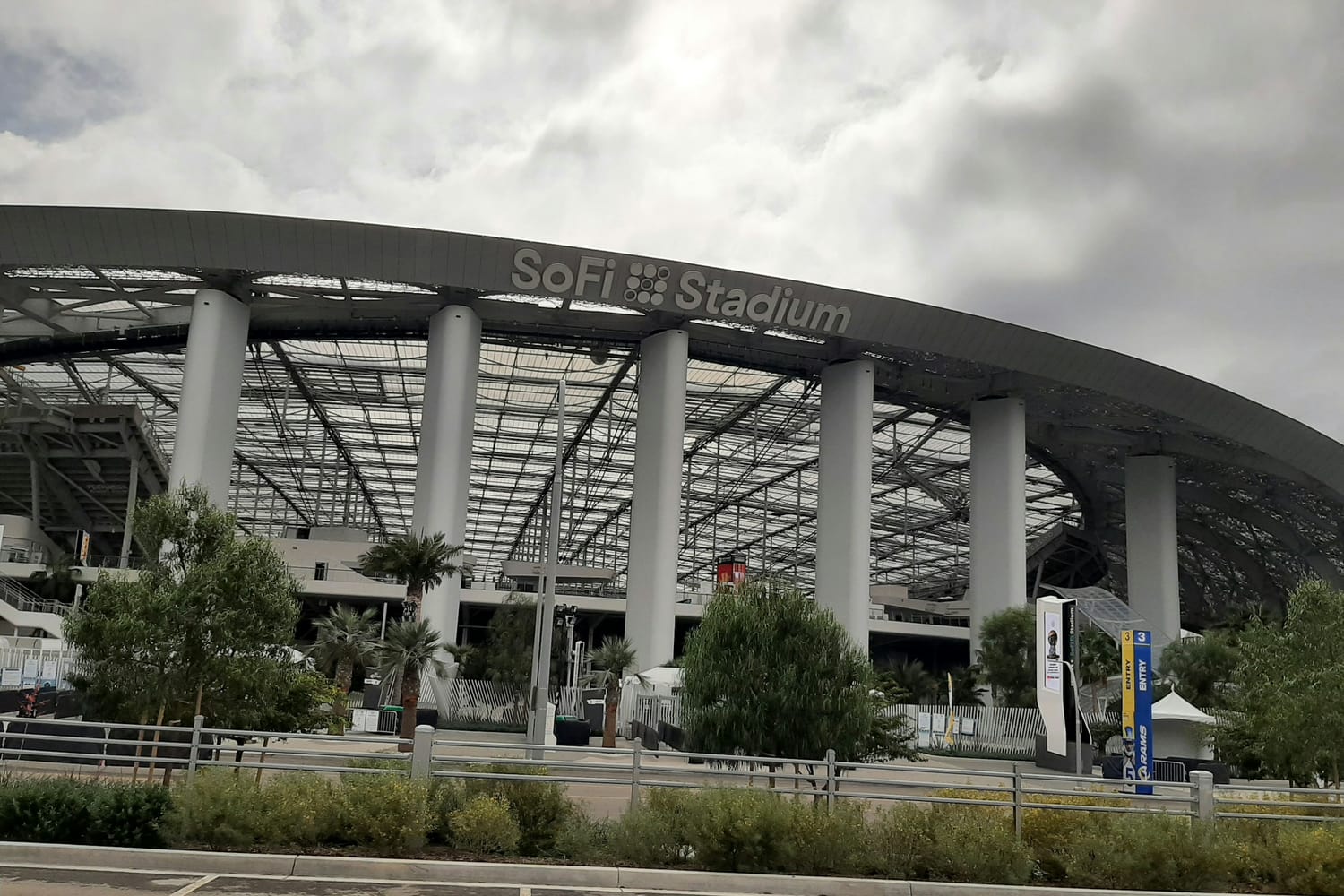
The official FIFA Fan Festival operated at the Los Angeles Memorial Coliseum beside USC. The location connected the tournament with a historic stadium, the University Park campus, Exposition Park museums, and the Metro E Line. Visitors who never entered SoFi Stadium could still watch matches and spend time in the area.
Restaurants and shops around USC Village, Figueroa Street, and Exposition Park were positioned to receive some of the added foot traffic. The benefit would have varied by event schedule, operating hours, and how long visitors remained after a match. A busy fan festival doesn’t guarantee higher sales for every nearby business, although it places a large audience within walking and transit distance of the neighborhood.
Metro shuttles connected SoFi with Union Station, LAX, and regional hubs
Parking at SoFi was limited, so Metro and regional transit agencies organized direct match-day service from rail stations and parking sites across Southern California. The network included Union Station, the LAX/Metro Transit Center, Culver City, Santa Monica, Torrance, Long Beach, Anaheim, Newport Beach, and several other locations. Service began as early as three hours before kickoff and continued for as long as two hours after a match.
The shuttle plan did more than move people. A convenient departure point made it easier for a visitor to stay, eat, or shop near that location. Union Station connected Downtown hotels to Inglewood, while airport and Westside stops gave travelers alternatives to renting a car. Each route also exposed a basic Los Angeles challenge: the region can host enormous events, but travel time still shapes how much of the city a visitor can reasonably experience in one day.
8 matchesplayed in Inglewood
39 daysregional fan programming
10 zonesofficial fan-zone locations
Occupancy, room rate, and operating cost measure the hotel benefit
Hotel performance should be measured with occupancy, average daily rate, and revenue per available room. A property that usually runs near full occupancy may receive little extra volume but can charge a higher rate. Another hotel may fill rooms that would otherwise have remained empty. Comparing results with the same period in an ordinary year would show how much demand the tournament actually added.
Owners also have to separate revenue from profit. Overtime, security, transportation, cleaning, guest services, commissions, and event packages can raise operating costs. A higher room rate is valuable when the added revenue remains after those expenses. Restaurants face a similar calculation because packed dining rooms can require more labor, inventory, and crowd management.
Repeat visits will determine the tourism value after the tournament
The World Cup gave Los Angeles a global audience before the 2028 Olympics. Repeat travel would make the exposure more valuable than the immediate spending alone. Tourism officials can track international arrivals, hotel demand, visitor surveys, and future bookings to learn whether fans returned or recommended the city after their trips.
Businesses shouldn’t treat tournament demand as a normal year-round level. Eight matches and a 39-day event calendar produce a temporary peak. Renovations, transportation improvements, stronger event operations, and new customers can continue creating value, while staffing or pricing plans built around a permanent World Cup crowd would be unrealistic. The most durable return comes from improvements that still help residents and visitors on an ordinary weekend.
The crowds were most visible around SoFi, but visitor spending didn’t stop at the edge of Inglewood. Airport hotels, South Bay restaurants, the Coliseum fan festival, Downtown hotels, and shuttle departure points all served different parts of the trip. Comparing hotel results with an ordinary summer, including the extra labor and security required during the tournament, will show how much business the event actually added. Future visitor surveys and bookings can then reveal whether fans enjoyed Los Angeles enough to return.
I used the filings, reports, public records, and articles linked below. Figures in the three case studies are practice numbers and are identified near the top of each article.
01FIFA guide to the eight Los Angeles matches and regional fan zones↗02Los Angeles Tourism 39-day fan experience announcement↗03LA Metro match-day transportation plan↗04Los Angeles Tourism hotel and event updates↗