
The original plan combined condos, a hotel, retail, and offices
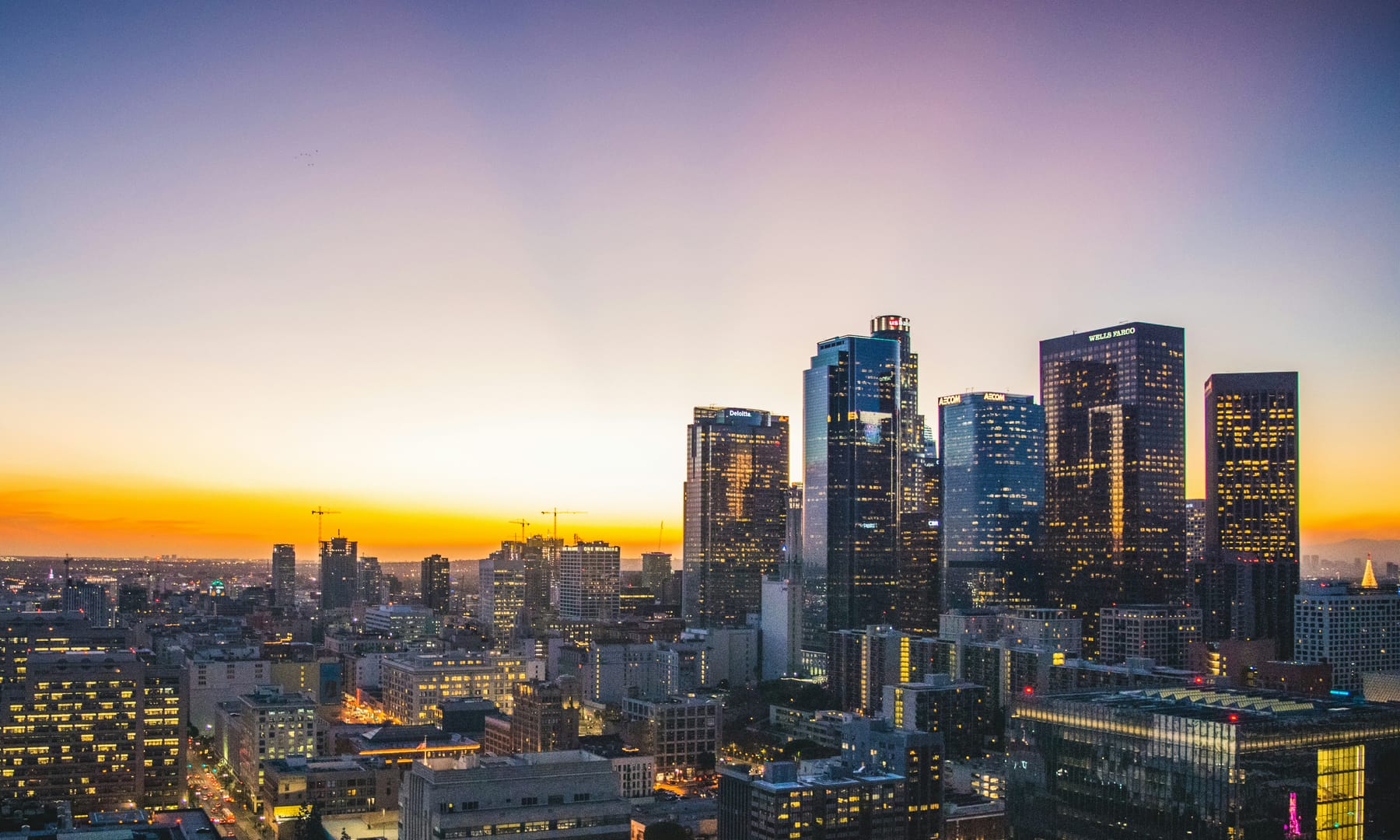
Oceanwide Plaza occupies a full block on South Flower Street across from Crypto.com Arena, LA Live, and the Los Angeles Convention Center. Plans called for three towers above a large podium with luxury condominiums, a hotel, retail, dining, offices, parking, and a large digital display. Construction began during a period when several developers expected Downtown Los Angeles to attract more residents, tourists, and international capital.
The location still explains the project’s appeal. Arena events, conventions, the 2026 World Cup, and the 2028 Olympics can bring large crowds within walking distance. A completed hotel and residential complex could benefit from those events, although temporary visitor demand can’t replace the year-round occupancy needed to support a project of this size.
Unpaid contractors and financial pressure stopped construction
China Oceanwide invested more than $1 billion before work stalled around 2019. The developer faced financial pressure, contractors reported unpaid bills, liens accumulated, and the unfinished property eventually moved through bankruptcy. An exposed high-rise becomes more expensive while it sits because weather, theft, outdated equipment, permit changes, and contractor remobilization add costs that weren’t part of the original budget.
A partially completed tower is also difficult to finance. A lender has to understand which work can be preserved, which systems need replacement, how current building codes affect the plan, and whether the remaining units can sell or lease at prices high enough to cover the new money. The amount already spent doesn’t guarantee that completion makes financial sense, because earlier capital can’t be recovered merely by spending more.
Trespassing and graffiti turned the site into a public-safety problem
Trespassers entered the site, and large-scale tagging spread across the towers in 2024. Images traveled widely because the buildings were visible beside one of Los Angeles’s busiest sports and convention districts. The graffiti didn’t cause the underlying failure, but it made years of unpaid security, unclear control, and stalled decision-making impossible to ignore.
Los Angeles allocated millions of dollars for security and nuisance abatement while seeking reimbursement through the property. Broken fencing, copper theft, fire risk, base jumping, and police calls made the site a public-safety problem as well as a private bankruptcy. A future owner has to repair the building and restore confidence that the block will be actively managed.
$470Mproposed purchase
$800Mreported completion budget
3 towersunfinished complex
The $470 million proposal still requires about $800 million of work
KPC Group and Lendlease, the project’s former general contractor, proposed a $470 million acquisition through a joint venture. The consideration includes creditor claims as well as cash, so the headline shouldn’t be read as a conventional all-cash property purchase. Public reporting has placed the additional completion budget around $800 million, taking the planned commitment well beyond the acquisition price.
Lendlease’s prior knowledge of the construction could help with estimating remaining work, while KPC would still need an executable financing and development plan. A restart would require updated cost estimates, contractor agreements, insurance, city coordination, entitlement review, cleanup, and a clear sequence for hotel, residential, and retail space. Each delay increases carrying costs before any part of the complex begins producing income.
Court approval and construction financing remain unresolved
The bankruptcy purchase agreement created a serious path forward, although the transaction remained proposed in the latest available court reporting. Los Angeles raised questions about construction financing, development phases, entitlements, and the buyer’s ability to close. The confirmation hearing was delayed while the buyer argued that court approval was needed before it could spend heavily on final estimates and loan commitments.
A responsible conclusion therefore stops short of declaring the towers rescued. Court confirmation, a closed transfer, verified construction financing, a cleanup schedule, and visible contractor activity would provide stronger milestones. The $470 million proposal matters because a credible buyer and former contractor are at the table, but Oceanwide Plaza has produced hopeful announcements before. Progress should be measured by money funded and work completed on the site.
Oceanwide Plaza didn’t become a graffiti landmark because of one bad decision. The developer’s financial problems stopped payments, the site sat unfinished for years, and weak security made the towers easy to enter. KPC and Lendlease have presented a real proposal, although the sale, financing, and construction plan still have to close. I would consider the project active again only when contractors are visibly back on the site.
I used the filings, reports, public records, and articles linked below. Figures in the three case studies are practice numbers and are identified near the top of each article.
01Oceanwide Plaza bankruptcy purchase announcement↗02Los Angeles Council District 14 statement on the proposed purchase↗03Latest reporting on approval and financing questions↗04Associated Press report on security and graffiti↗