
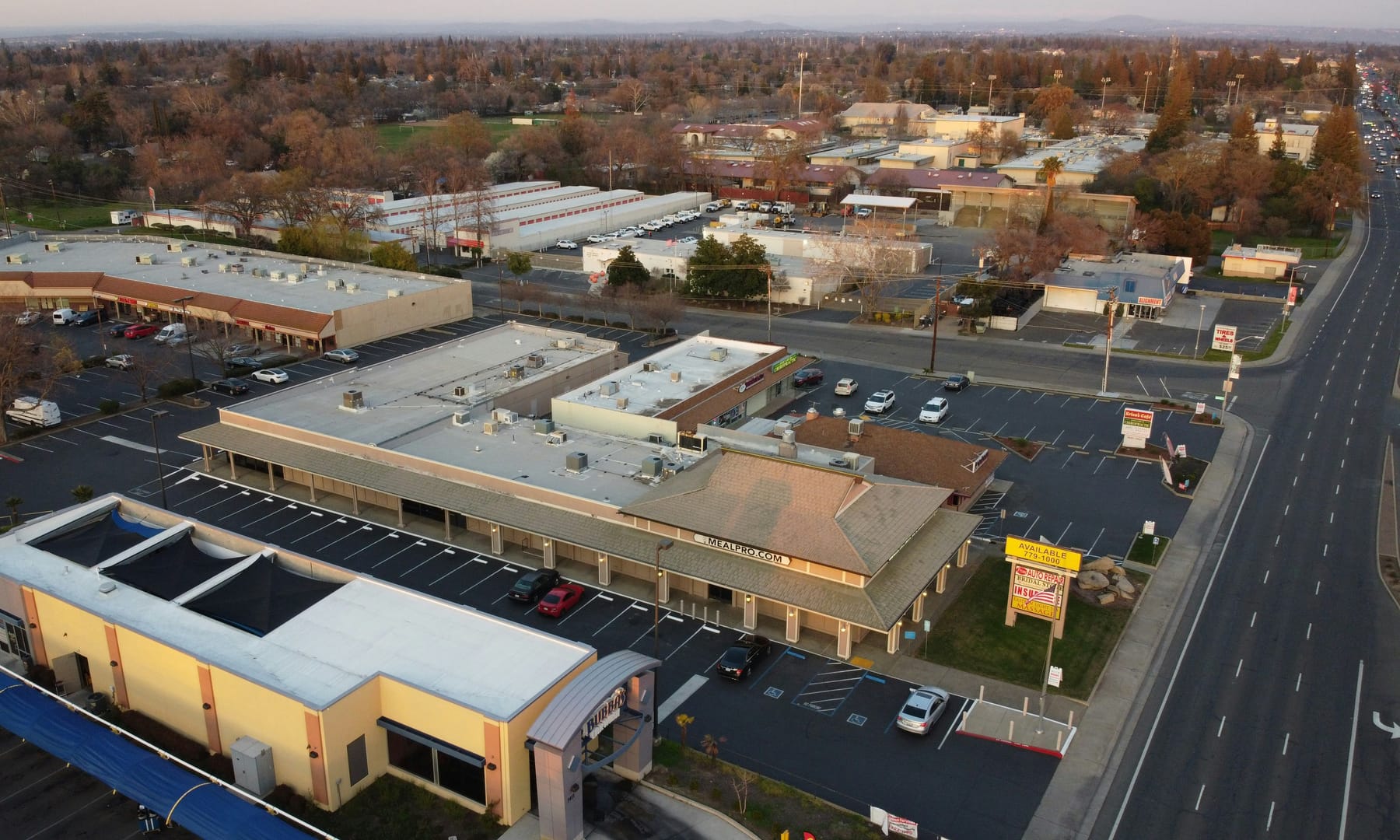
Small stores receive fewer parking spaces under common ratios
Cities and shopping-center owners usually allocate parking according to a store’s square footage and use. A 10,000-square-foot grocery store will normally receive fewer spaces than a 70,000-square-foot supermarket. Trader Joe’s explained in its own podcast that both stores could attract many shoppers, but the smaller location concentrates those customers into a much tighter building and parking area.
The first Trader Joe’s on Arroyo Parkway in Pasadena established the pattern by accident. The location has remained small and busy for decades. Newer stores receive more parking when a site allows it, according to the company, although dense neighborhoods, existing shopping centers, zoning rules, and land cost limit how much pavement can be added.
Limited selection allows high sales in a small store
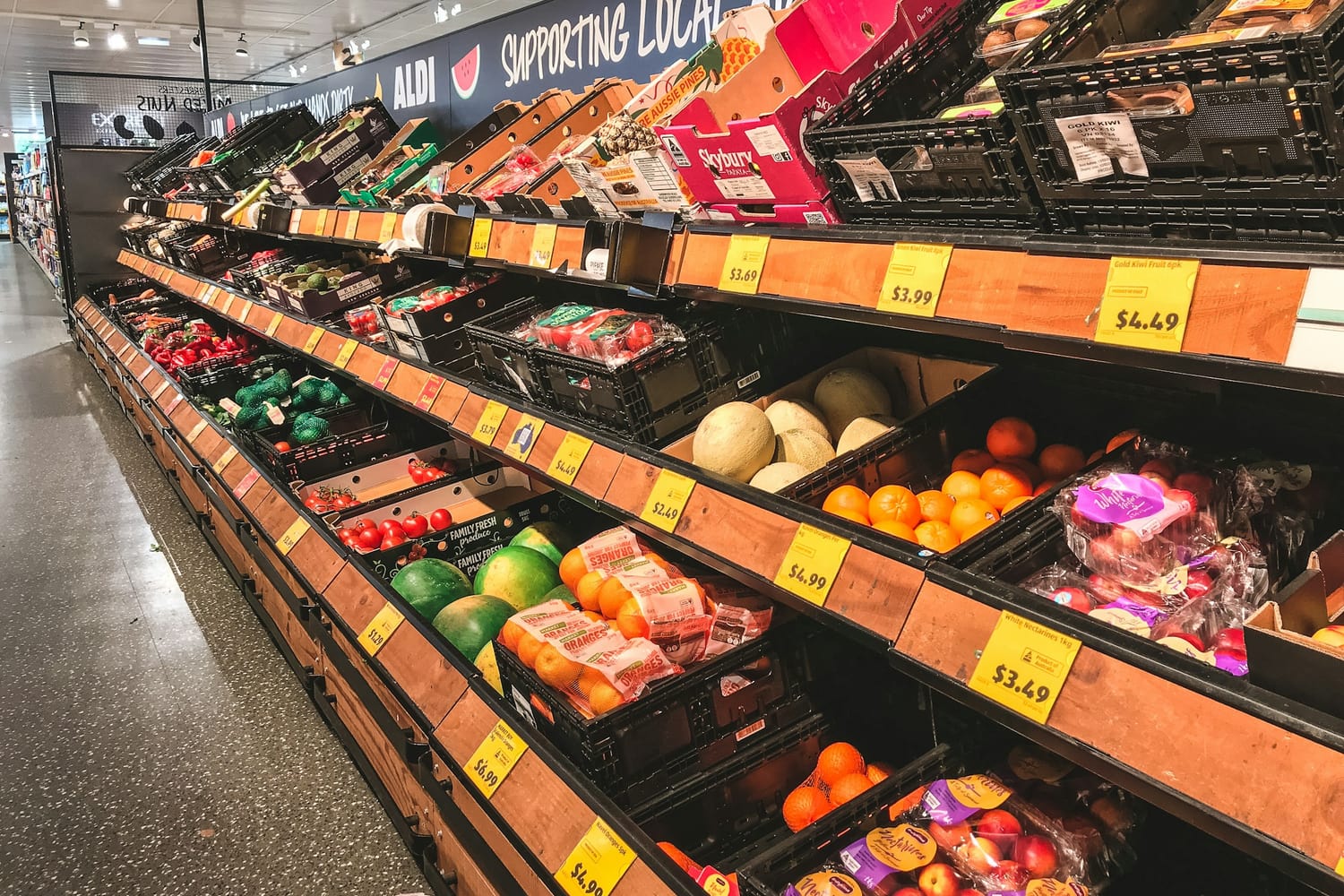
Trader Joe’s doesn’t try to stock every size and national brand within a category. Buyers select a smaller assortment, and products that don’t sell well are removed for new items. Concentrating sales across fewer products allows each item to move more quickly and reduces the shelf space needed for slow inventory.
More than 80 percent of the assortment carries a Trader Joe’s private label, according to the company. Private label gives the retailer control over product selection and makes direct price comparisons difficult because a shopper often can’t find the identical package at another store. Direct supplier relationships, volume purchases, and no slotting fees also support the value proposition.
High sales per square foot create a crowded arrival
A full parking lot makes a location look productive to an owner because customers are using the real estate throughout the day. Shoppers experience the same condition as circling, waiting, and maneuvering around carts. High sales per square foot can coexist with a poor arrival experience, and a retailer has to decide how much inconvenience customers will tolerate before choosing another store.
Trader Joe’s benefits from a differentiated assortment that customers can’t easily replace elsewhere. Someone seeking one particular frozen meal, snack, or seasonal product may accept a difficult parking lot. Loyalty doesn’t remove the cost, since congestion can limit larger trips, frustrate neighbors, and make a proposed store harder to approve.
10K to 12K SFtypical small-store example
80%+private-label products
1 storeopened at a time
A larger store would raise rent, inventory, utilities, and staffing
More square footage means higher rent, utilities, construction cost, inventory, and staffing. A larger parking field also consumes expensive land that produces no direct sales. Trader Joe’s could solve some congestion by becoming a larger-format grocer, although the company says the smaller stores are part of its identity and shopping experience.
A Trader Joe’s location works more smoothly when customers have several ways to arrive and the store can share parking with businesses that are busiest at different times. Street access, nearby housing, transit, bicycle parking, and the shape of the driveway all affect congestion, sometimes more than adding a small number of extra spaces.
Store size, private label, and slow expansion create the parking problem
Trader Joe’s grows one store at a time and says it reviews access, traffic flow, parking, customers, and the ability to train a new crew. Deliberate expansion protects the store experience and avoids opening locations faster than the organization can support them. The approach resembles In-N-Out’s controlled growth, even though the two companies sell completely different products.
A crowded lot therefore shouldn’t be described as a marketing trick. High customer volume inside a compact store creates the congestion. Strong sales per square foot can support expensive real estate, while access and parking still determine whether customers enjoy reaching the door.
The lots feel too small because Trader Joe’s fits a remarkable amount of shopping into a compact building. Parking rules usually begin with square footage, while customers care about the products and prices inside, so the number of visitors can outrun the number of spaces. A larger building and parking field could ease the congestion, but it would also raise rent, construction cost, utilities, and inventory. The frustrating lot is partly the side effect of the same small-store model that keeps the chain distinctive.
I used the filings, reports, public records, and articles linked below. Figures in the three case studies are practice numbers and are identified near the top of each article.
01Trader Joe’s explanation of its parking lots↗02Trader Joe’s explanation of product selection and pricing↗03Trader Joe’s store-location and controlled-growth discussion↗04Trader Joe’s discussion of private-label products↗