
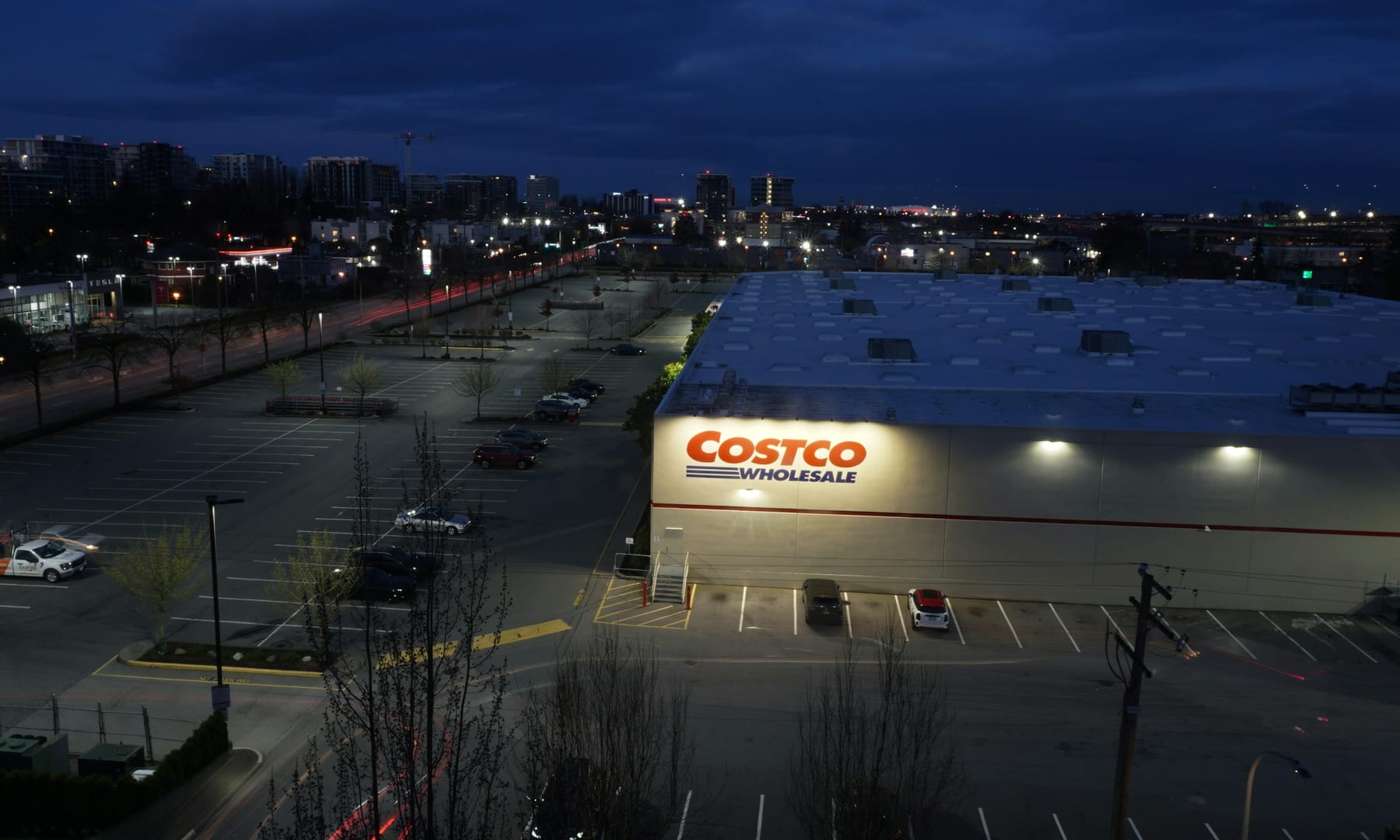
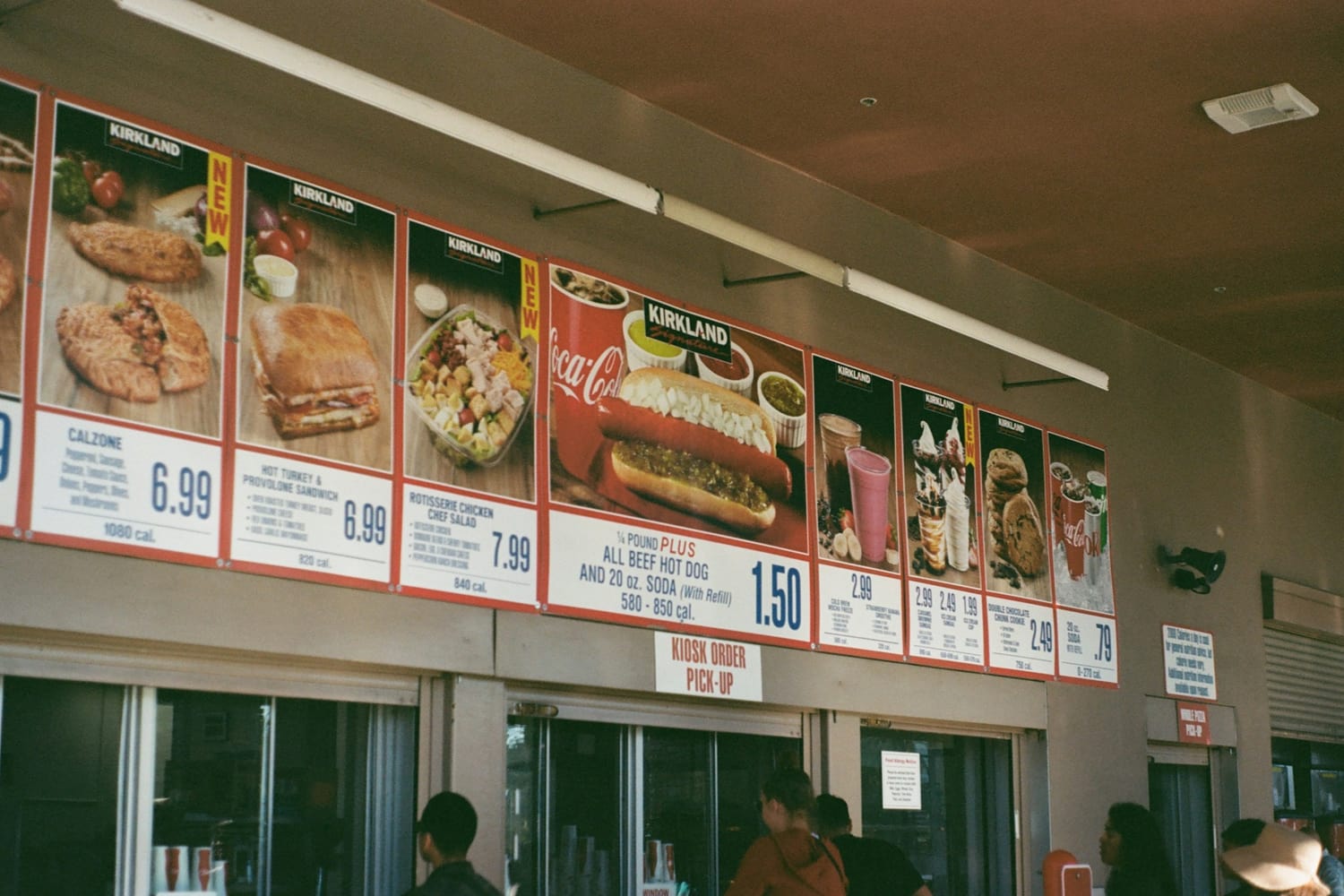
The $1.50 price tells members that Costco protects value
Costco's hot dog combo is usually described as a loss leader, although the label understates its strategic value. Customers can remember $1.50 and compare it with the rising cost of almost any other meal. Every unchanged menu board gives members a simple piece of evidence that the company still protects visible value.
Most shoppers will forget the exact price of a forty-pack of water or a large bottle of detergent soon after leaving the warehouse. The hot dog is simple, visible, and repeated often enough to become part of Costco's identity. Protecting that identity can support renewal and shopping frequency, two sources of value that reach far beyond the food court.
Membership fees reduce Costco’s dependence on food markup
Costco reported about $5.32 billion of membership fees and $10.38 billion of operating income in its fiscal-year results. Operating expenses support the membership program, so the figures cannot be compared as if every dollar of fees becomes profit. Recurring membership revenue helps Costco accept narrow merchandise margins and keep selected prices low.
A conventional retailer earns most of its profit through the difference between merchandise revenue and merchandise cost. Costco can use lower markups because it also charges members for access. Lower prices attract shoppers, the perceived value supports renewals, and recurring fee income helps the company continue pricing merchandise aggressively.
Inventory turnover matters as much as markup
Costco carries a limited number of stock-keeping units compared with a traditional supermarket or mass merchant. Concentrating purchases into fewer products gives the company buying power and helps inventory move quickly, allowing a narrow gross margin to generate an attractive return without leaving as much capital trapped on the shelf.
The warehouse format reduces handling and presentation costs as well. Products often stay on pallets, shelving remains simple, and customers accept a plain environment in exchange for value. Costco can therefore move a large volume of merchandise efficiently without spending heavily to present each item as a premium purchase.
$1.50combo price
$5.32BFY25 membership fees
$269.9BFY25 net sales
A price increase could weaken trust with members
If Costco sold 150 million combos, a one-dollar increase could create $150 million of additional revenue before any change in demand or cost. The figure sounds meaningful until it is compared with the scale of the company and the value of its reputation. One visible price increase could weaken a symbol that supports billions of dollars of membership income and hundreds of billions in sales.
Keeping the price unchanged forces management to find savings in production, sourcing, and daily operations. Costco even brought hot dog production in-house, which gave the company more control over its costs and helped it absorb increases instead of passing all of them to customers.
A popular business can still be an expensive stock
Costco has one of the strongest retail businesses I’ve studied, although its share price may already reflect much of that quality. An investor who pays for nearly perfect growth and execution can earn a disappointing return even while the company performs well.
For the stock, I would follow membership renewal, comparable sales excluding gasoline and currency, new-warehouse productivity, gross margin, and the valuation multiple. A short-term concern that lowers the multiple without damaging the membership model could create a more appealing entry point. The hot dog helps explain why customers value Costco; the share price determines how much of that quality a new investor is paying for.
If the hot dog were judged as an ordinary restaurant item, keeping the price unchanged would look stubborn. Costco is making a broader calculation. The company gives up some food-court revenue to preserve a price members remember and talk about, which reinforces the value of paying for a membership. Against billions of dollars in membership fees and hundreds of billions in annual sales, the possible profit from raising the combo price is small compared with the trust attached to leaving it alone.
I used the filings, reports, public records, and articles linked below. Figures in the three case studies are practice numbers and are identified near the top of each article.
01Costco investor overview↗02Costco fiscal-year operating results↗03Costco company profile↗