
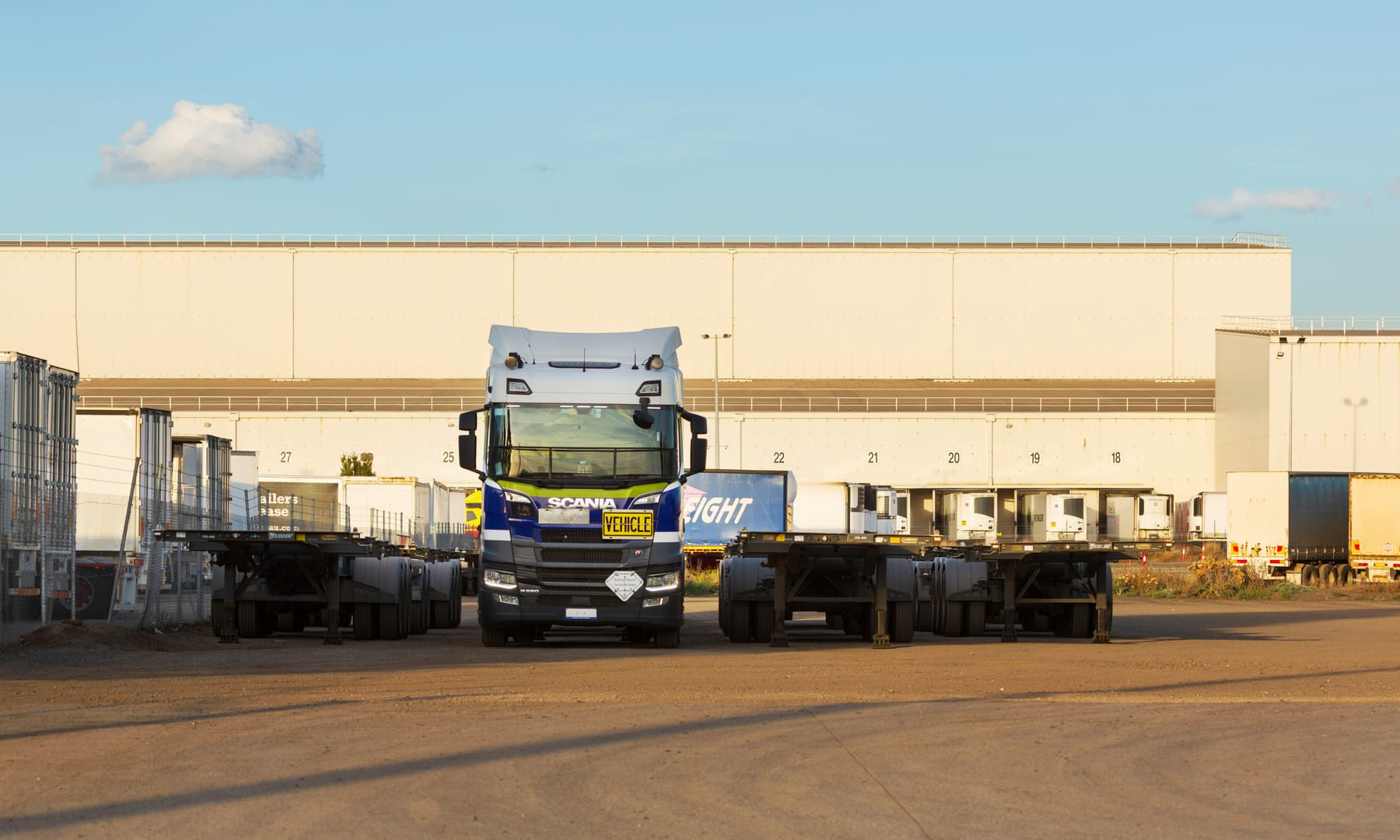
A new market needs a warehouse before it gets a restaurant
Most customers notice a new In-N-Out only after the signs appear and the drive-through line begins forming, although the operating work starts much earlier. Fresh meat, produce, buns, packaging, and restaurant supplies need reliable routes from company facilities, while managers and associates need enough training to reproduce the service standards of established locations.
In-N-Out built a warehouse and patty-making facility in the Dallas area when it entered Texas, followed by similar infrastructure for later expansion. The company’s history describes those facilities as necessary for maintaining freshness. A distribution hub therefore creates a practical radius for new restaurants, making the supply network a real-estate decision as well as a logistics decision.
The small menu makes freshness easier to manage
Burgers, fries, drinks, and shakes use a narrower set of ingredients than a menu that changes across dozens of categories. High volume through a limited ingredient list improves purchasing visibility and reduces the number of items that can spoil. Employees also repeat the same production steps frequently, which supports speed and consistency during busy periods.
Customers can customize orders through familiar variations, allowing the company to create choice without adding a large number of separate ingredients. Operational simplicity doesn’t make the restaurants easy to run, because a crowded drive-through requires careful staffing and site design. A short ingredient list does make quality control more manageable across a growing network.
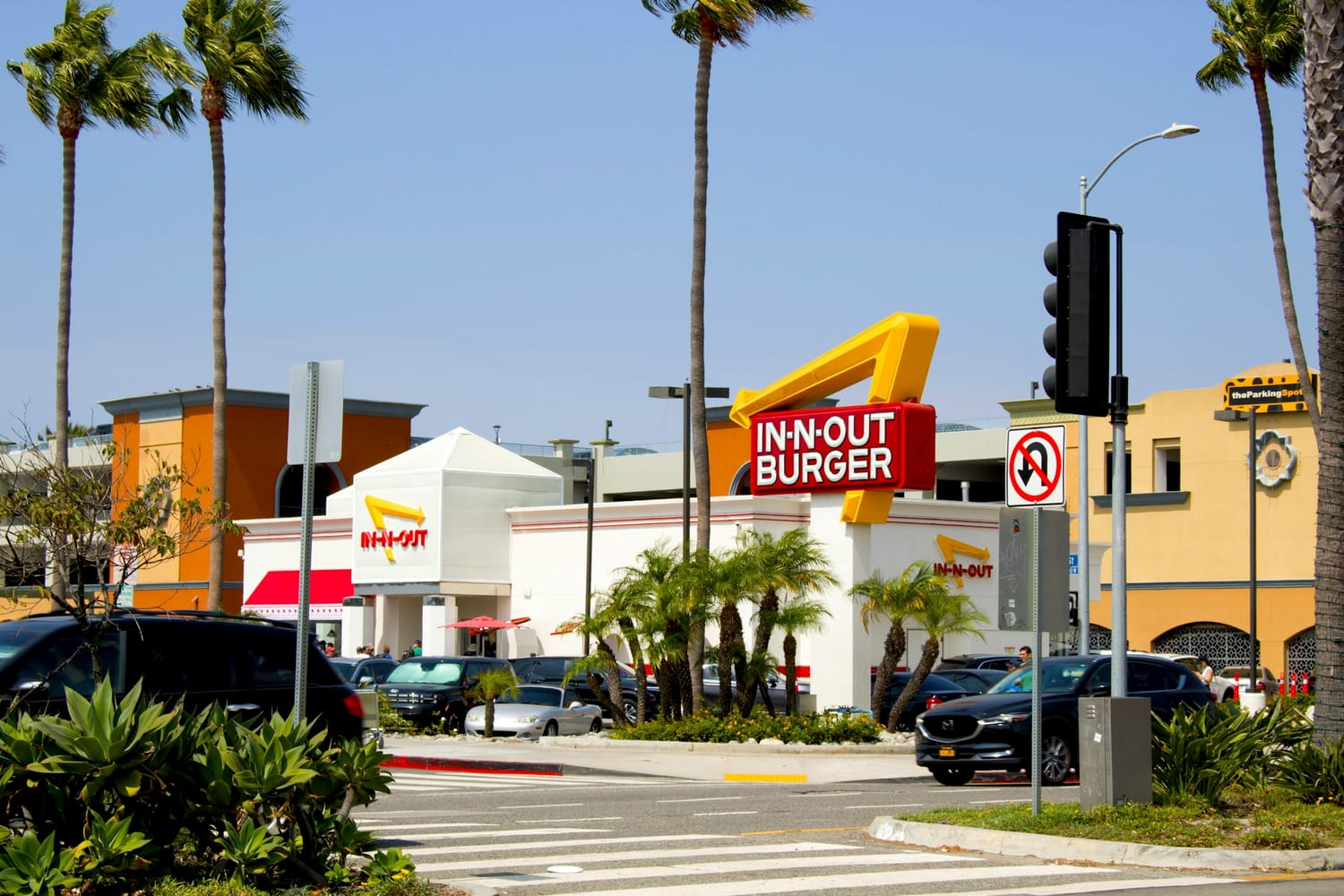
No franchising means In-N-Out funds every new restaurant
In-N-Out remains privately held and doesn’t franchise its restaurants. A franchise system could provide outside capital and let independent owners open stores more quickly, although the franchisor would have less direct control over daily employment, maintenance, and food preparation. Company ownership places the capital cost and operating responsibility on In-N-Out itself.
Slower growth can protect a valuable brand when customer expectations are unusually specific. Since every restaurant is company-owned, a poorly operated location affects the same family business that owns the rest of the chain. The tradeoff is a smaller national footprint and more capital tied up in restaurants, warehouses, and training infrastructure.
400+company-operated restaurants
10 statesoperating footprint
0 franchisescompany ownership model
Drive-through lines determine the site plan
A successful In-N-Out needs visibility, convenient access, enough stacking space for cars, room for deliveries, and a layout that keeps pedestrians away from vehicle conflicts. Long drive-through lines show demand but can block streets or neighboring businesses when a parcel is too small. Opening-day traffic makes the issue obvious, while the site has to function for decades after the initial excitement.
High-volume restaurants can justify prominent corners and freestanding buildings because the same location serves many customers each day. The company still has to balance land cost with access. A cheaper parcel that creates constant traffic problems can damage operations more than the lower rent or purchase price saves.
Tennessee openings followed years of distribution planning
In-N-Out reached its 400th restaurant in Idaho and later expanded through Washington and Tennessee, taking the business farther from its Southern California base. Warehouses, food production, and management capacity were prepared before each regional opening. The company reported operations in ten states after opening its first Tennessee restaurants.
Future growth should be evaluated through more than store count. Restaurant volumes, employee retention, new distribution capacity, food quality, site productivity, and customer wait times show whether the system is scaling successfully. In-N-Out’s approach demonstrates that moving slowly can be a deliberate investment when a brand depends on direct operating control.
In-N-Out’s slow expansion makes more sense once the warehouse, food production, training, and real estate are included. The company pays for all of that itself because it doesn’t franchise, so growth takes longer and responsibility for each restaurant stays with the same organization. Opening-day lines show excitement; consistent food, service, and store economics several years later show whether the distribution system and individual sites are actually working.
I used the filings, reports, public records, and articles linked below. Figures in the three case studies are practice numbers and are identified near the top of each article.
01In-N-Out company history and distribution expansion↗02In-N-Out media kit and ownership policy↗03Associated Press report on the Tennessee expansion↗