
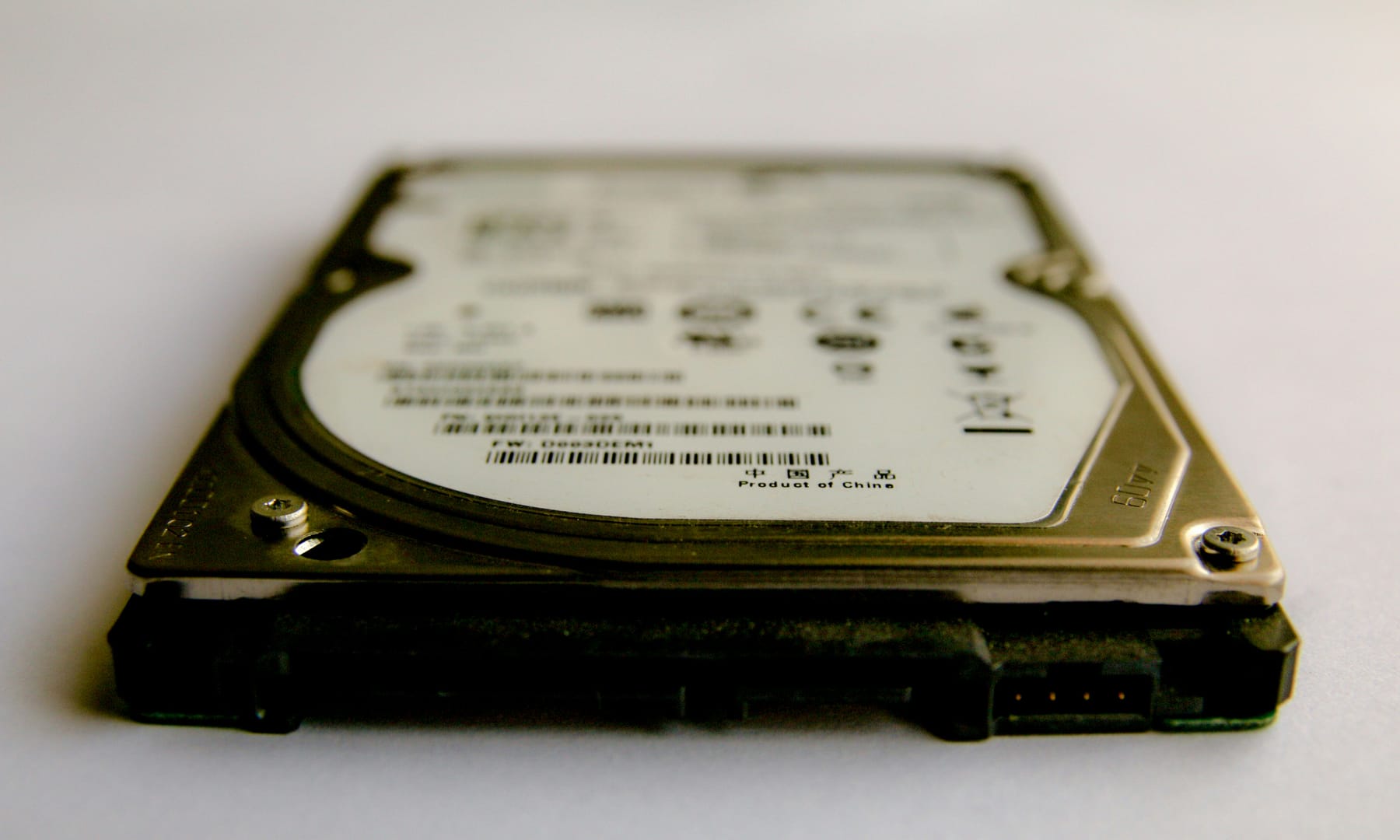
The split separated NAND flash from hard drives
Western Digital completed the separation of its flash business into Sandisk, leaving investors with two focused storage companies. Sandisk makes NAND flash and products such as enterprise solid-state drives. Western Digital now concentrates on hard disk drives, where it sells extremely high-capacity storage to cloud companies and other large customers.
Both businesses store data, but they solve different problems. Flash is faster, uses no moving parts, and works well when customers need quick access to information. Hard drives provide far more capacity for each dollar, which remains useful for the enormous amount of data that has to be stored economically over long periods.
Sandisk is benefiting from an unusually strong NAND market
Sandisk reported quarterly revenue of $5.95 billion, up 97 percent from the previous quarter. Data-center revenue reached $1.47 billion after rising 233 percent sequentially, and the company’s reported gross margin reached 78.4 percent. Higher pricing and a shift toward higher-value customers drove much of the improvement.
Margins at that level deserve caution because memory markets have a long history of moving from shortage to oversupply. Current demand may remain strong, especially as AI systems create more data and enterprise SSDs gain share, but competitors will eventually respond to high prices. I would include a period of more normal NAND pricing and gross margin in any valuation.
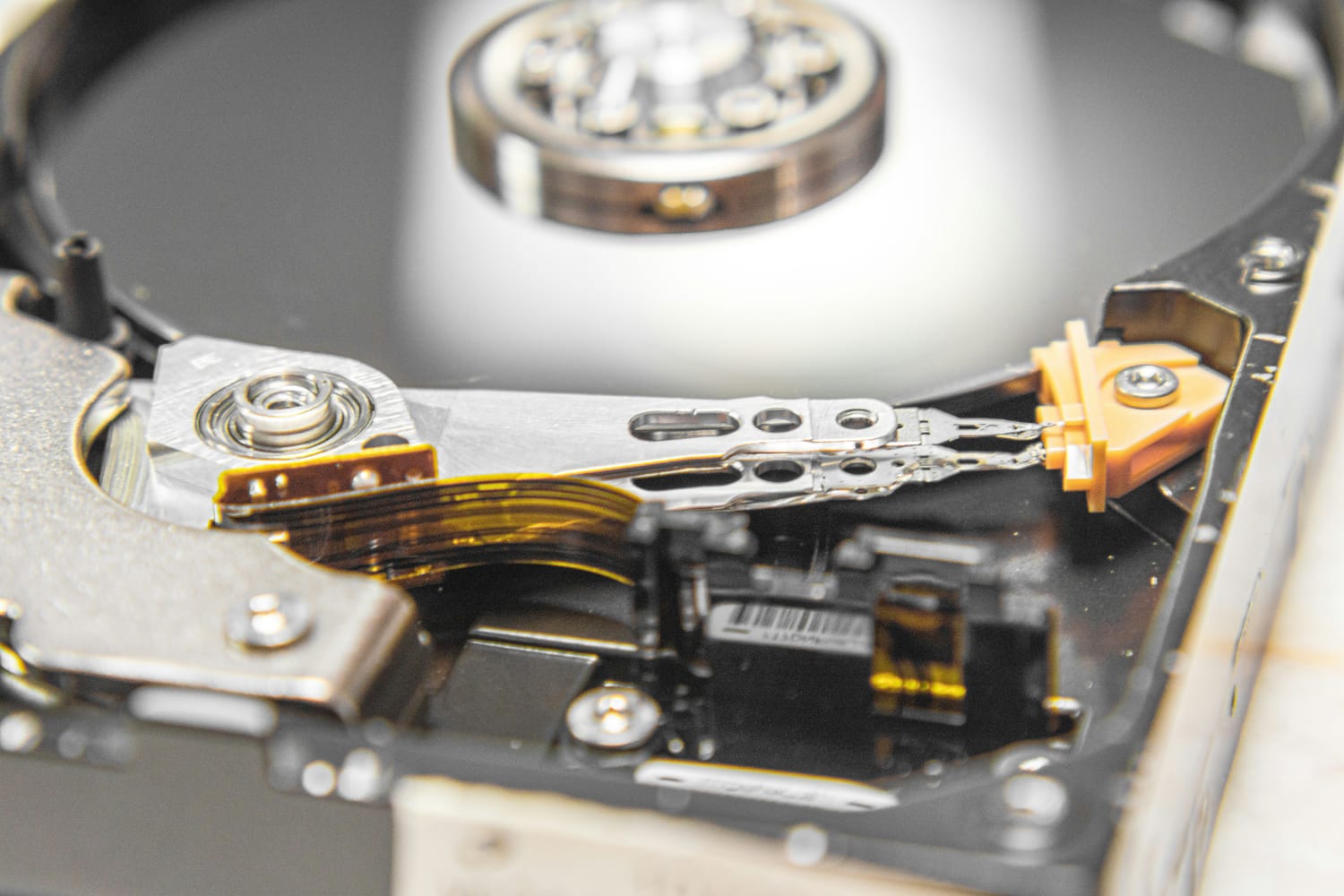
Western Digital sells more storage capacity per dollar
Western Digital reported $3.34 billion of quarterly revenue, up 45 percent from the prior year, with a 50.2 percent reported gross margin and $978 million of free cash flow. Management argues that AI workloads create more information that must be stored persistently, and high-capacity hard drives remain one of the least expensive ways to do it.
Hard drives won’t match flash performance because they serve a different storage need. A cloud company can use expensive, fast storage for active data and hard drives for colder or less time-sensitive information. For Western Digital, I would watch capacity per drive, pricing discipline, free cash flow, and whether growth requires a large increase in manufacturing spending.
$5.95BSandisk quarterly revenue
+233%Sandisk data-center growth sequentially
$3.34BWestern Digital quarterly revenue
Cloud spending helps both companies, and oversupply can hurt both
Data-center capital spending supports both companies, which means holding both stocks doesn’t remove exposure to the same customer budget. A slowdown in cloud construction, delayed server deliveries, or excess customer inventory could affect flash and hard-drive orders during the same period.
The supply risks differ because NAND producers can add wafer capacity and improve the number of bits produced from each wafer, sometimes pushing the market toward oversupply. Hard-drive production is more consolidated, although large customers still have negotiating power and can postpone orders when they carry too much inventory.
Track NAND pricing, gross margin, cloud orders, and free cash flow
For Sandisk, I would track data-center revenue, average selling price per gigabyte, gross margin, capital spending, and multi-year customer commitments. Western Digital’s review should emphasize exabytes shipped, price per terabyte, gross margin, free cash flow, and how much demand comes from its largest cloud customers.
Sandisk currently offers more growth and more exposure to a possible pricing reversal. Western Digital has a simpler product focus and strong current cash generation, although hard drives face a long-term technology debate. Neither stock can be ranked from revenue growth alone because the valuation attached to the current cycle will determine much of the shareholder return.
The split gives investors two very different ways to participate in data storage. Sandisk sells the faster product and is benefiting from unusually strong flash pricing, while Western Digital provides enormous amounts of capacity at a lower cost and currently produces substantial free cash flow. I wouldn’t compare the latest growth rates without adjusting for where each market sits in its cycle. The more attractive stock is the one that still offers a reasonable return after NAND margins fall or cloud orders slow.
I used the filings, reports, public records, and articles linked below. Figures in the three case studies are practice numbers and are identified near the top of each article.
01Sandisk fiscal third-quarter operating results↗02Western Digital fiscal third-quarter operating results↗