
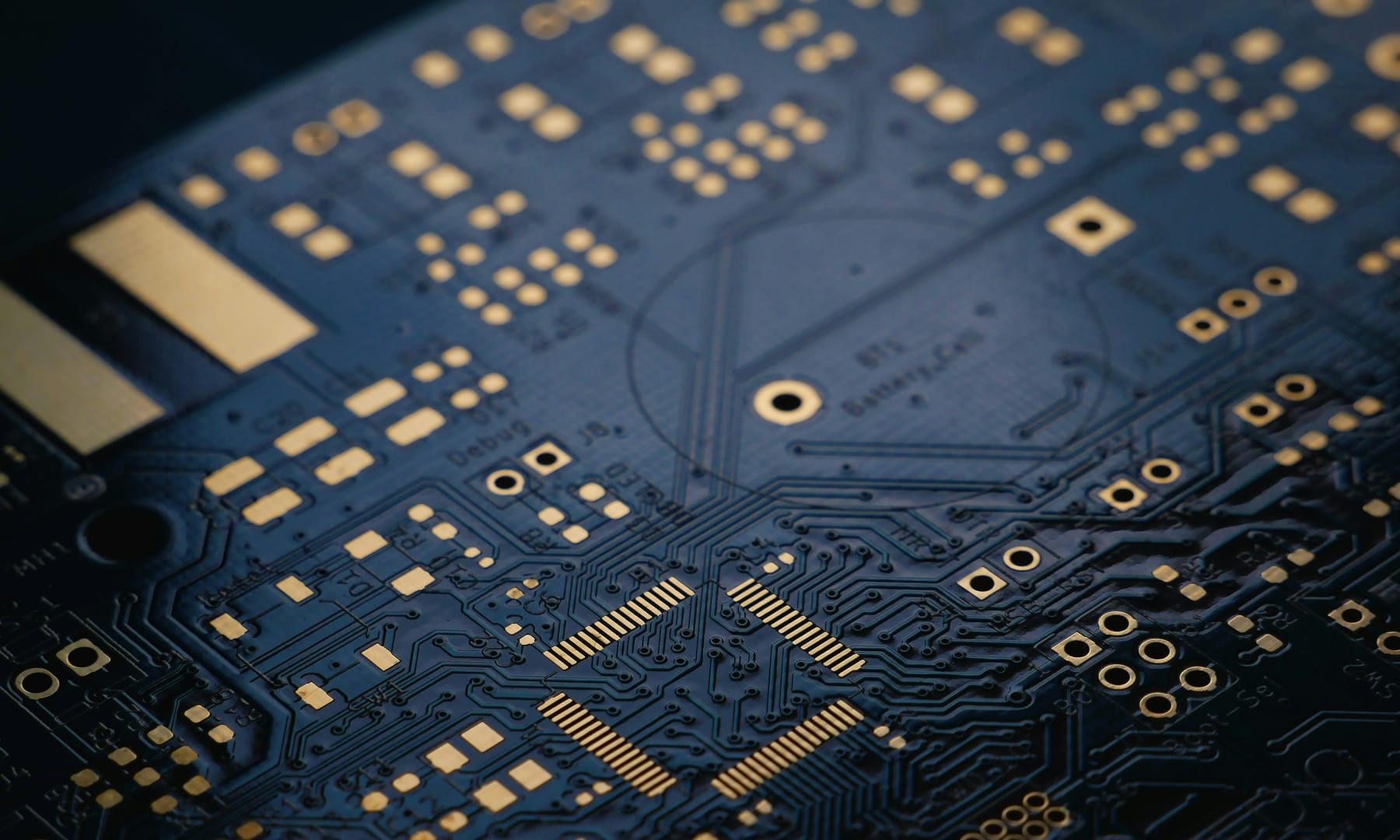
HBM feeds data to the GPU
An AI accelerator can process an enormous number of operations only when data reaches it quickly enough to keep the system busy. High-bandwidth memory addresses part of that problem by stacking memory dies close to the processor and moving far more data than standard server memory. A faster GPU paired with inadequate memory bandwidth resembles a widened freeway that still has a one-lane entrance ramp.
HBM is difficult to produce because it uses advanced packaging, requires tight quality control, and consumes more wafer capacity per bit than ordinary DRAM. Allocating additional factory capacity to HBM can therefore tighten the supply of conventional memory products even while manufacturers work to satisfy AI-related demand.
Higher memory prices lift Micron’s margins quickly
Micron reported quarterly revenue of $13.64 billion, a gross margin of 57.3 percent, and diluted earnings of $7.80 per share. The quarter shows what can happen when stronger prices meet high factory utilization. A large portion of additional revenue can reach operating profit because the company has already paid to build and equip its fabs.
Operating leverage becomes painful when customers reduce inventory and memory prices fall because the factories continue to carry large fixed costs. A Micron valuation should use mid-cycle margins, the capital spending required to remain competitive, and free cash flow across several years. Multiplying one strong quarter by four would overstate earnings if memory prices decline.
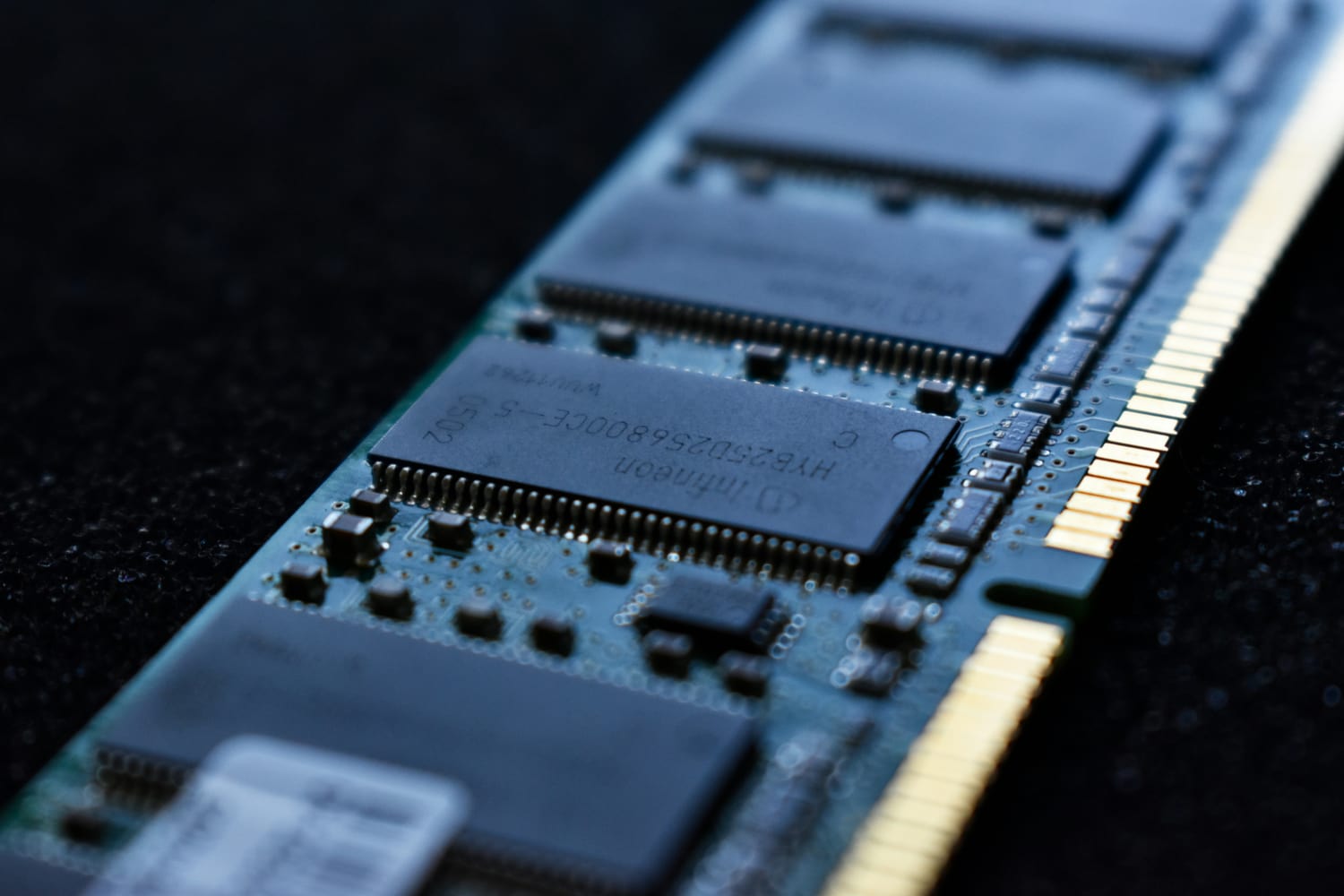
AI servers use more memory than traditional servers
AI servers use more memory per system than traditional servers, and the most advanced accelerators require HBM that takes substantial capacity to produce. If demand keeps rising while the three large memory manufacturers remain disciplined, pricing could stay healthier than it did in past expansions. Product qualification also creates some stickiness because customers cannot instantly swap a critical memory component.
Samsung and SK Hynix continue to improve their products, new capacity will eventually arrive, and the largest customers have considerable negotiating power. A delayed accelerator platform can also shift the associated memory orders. HBM may improve the quality and duration of this cycle, although it cannot remove the inventory and pricing forces that have shaped the memory industry for decades.
$13.64Bquarterly revenue
57.3%reported gross margin
$7.80reported diluted EPS
Track HBM revenue, gross margin, capital spending, and free cash flow
HBM revenue and committed supply, total gross margin, capital expenditures, and free cash flow show whether the improvement is reaching shareholders. Conventional DRAM and NAND prices also reveal whether the broader business is recovering or HBM is temporarily carrying a weak memory market.
A lower valuation case can assume that memory pricing normalizes and margins fall. A middle case can give HBM a durable mix benefit, while an upper case can include market-share gains and tight supply. A share price that requires the upper case offers little protection if the memory cycle cools.
Micron’s current earnings reflect strong HBM demand and limited advanced-memory supply, a combination that can produce unusually high margins. Memory shortages have always encouraged manufacturers to add capacity, so I would follow HBM revenue beside total capital spending and free cash flow and then test the stock under lower pricing. A record quarter shows how much Micron can earn during a shortage, while a valuation still needs to work after pricing and factory utilization move closer to normal.
I used the filings, reports, public records, and articles linked below. Figures in the three case studies are practice numbers and are identified near the top of each article.
01Micron quarterly results and investor materials↗02Micron SEC filings↗