
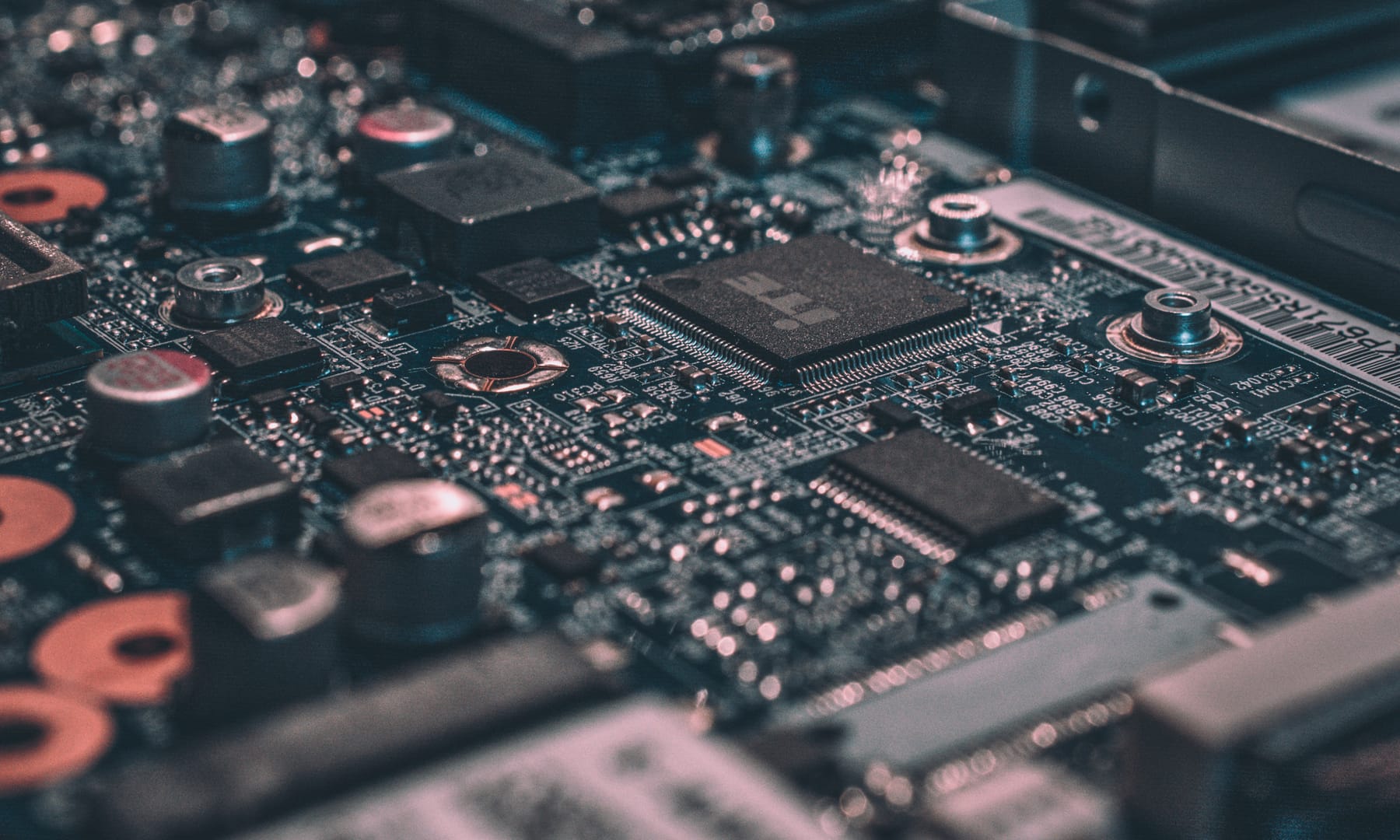
Intel must improve its chips and build a foundry for outside customers
The product business has to remain competitive in personal computers, servers, and AI-related systems. At the same time, Intel wants its factories to manufacture chips for outside customers that may compete with Intel’s own products. Success requires reliable technology, predictable delivery, competitive cost, and customer trust.
Separating product and foundry reporting makes the challenge easier to see. Internal Intel products still account for most foundry volume, so segment revenue can rise without proving that outside chip designers have selected Intel for large commercial programs.
The foundry is still losing billions
Intel reported $13.6 billion of quarterly revenue, up 7 percent from the prior year. Data Center and AI revenue rose 22 percent to about $5.1 billion, while the foundry segment reported $5.4 billion of revenue after intercompany activity.
The foundry also reported an operating loss of roughly $2.44 billion. Revenue growth can’t complete the turnaround while the cost of factories, new processes, start-up production, and research continues to exceed the segment’s gross profit by such a wide margin.
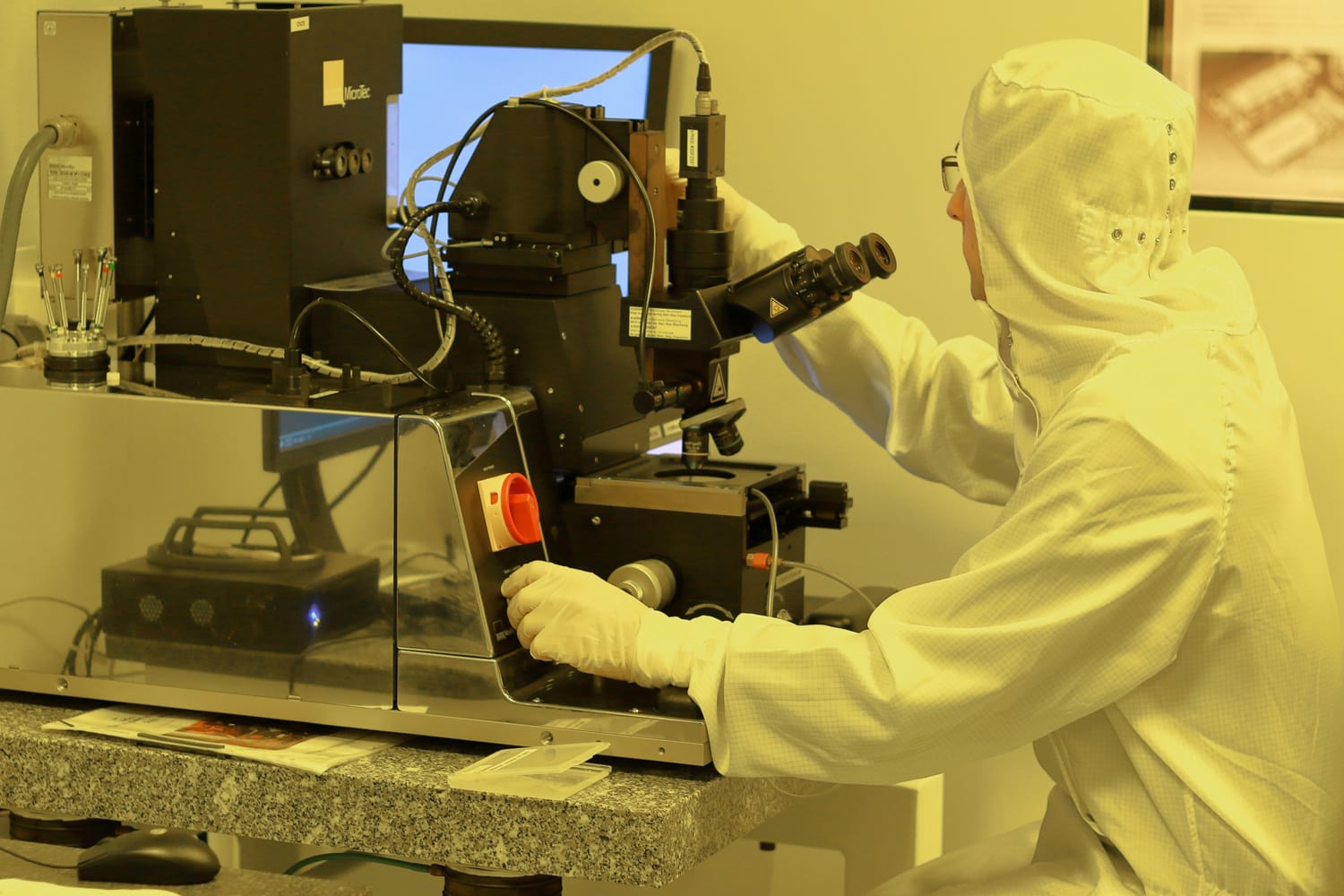
Process milestones matter only if outside customers place volume orders
A new process node is valuable when it can produce working chips at a competitive cost and on a dependable schedule. Technical milestones matter, although customers also need design tools, packaging choices, intellectual property, capacity, and evidence that Intel will protect their confidential information.
Large outside orders would provide stronger proof than demonstrations or partnership announcements. Customer names may remain confidential, so capital commitments, external foundry revenue, prepaid capacity, and management’s disclosure about production ramps become useful evidence.
$13.6Bquarterly company revenue
$5.4Bfoundry segment revenue
($2.44B)foundry operating loss
Factory spending absorbs cash before the foundry earns a return
Leading factories cost billions of dollars and become economically outdated quickly when the industry moves to a newer process. Government incentives and partners can reduce Intel’s cash burden, but shareholders still carry much of the construction, equipment, and start-up cost.
Quarterly cash from operations was $1.1 billion while additions to property, plant, and equipment were several times larger. A convincing turnaround eventually needs operating cash flow and gross profit to fund more of the manufacturing plan without repeated asset sales, new financing, or heavy reliance on incentives.
Outside orders, production yields, losses, and cash flow
My scorecard would include external customer revenue, production yields, on-time milestones, gross margin, foundry operating loss, capital spending, and signed capacity agreements. Product revenue also matters because healthy Intel processors keep the factories occupied while outside business develops.
Intel’s strategic importance makes the turnaround worth following, especially as customers and governments seek more manufacturing capacity outside Asia. Strategic importance doesn’t guarantee an attractive stock return. The foundry has to become financially competitive and the share price has to leave room for a slower path.
Intel has valuable manufacturing technology, packaging expertise, engineers, customers, and a factory network that few companies could reproduce. Its foundry is also losing billions of dollars, so a partnership announcement or successful demonstration can’t carry the turnaround by itself. I would place far more weight on a large outside production order. Better yields, more external revenue, narrower segment losses, and improving cash flow would show that the factories are moving toward a sustainable business.
I used the filings, reports, public records, and articles linked below. Figures in the three case studies are practice numbers and are identified near the top of each article.
01Intel first-quarter operating results and segment data↗02Intel annual report↗