
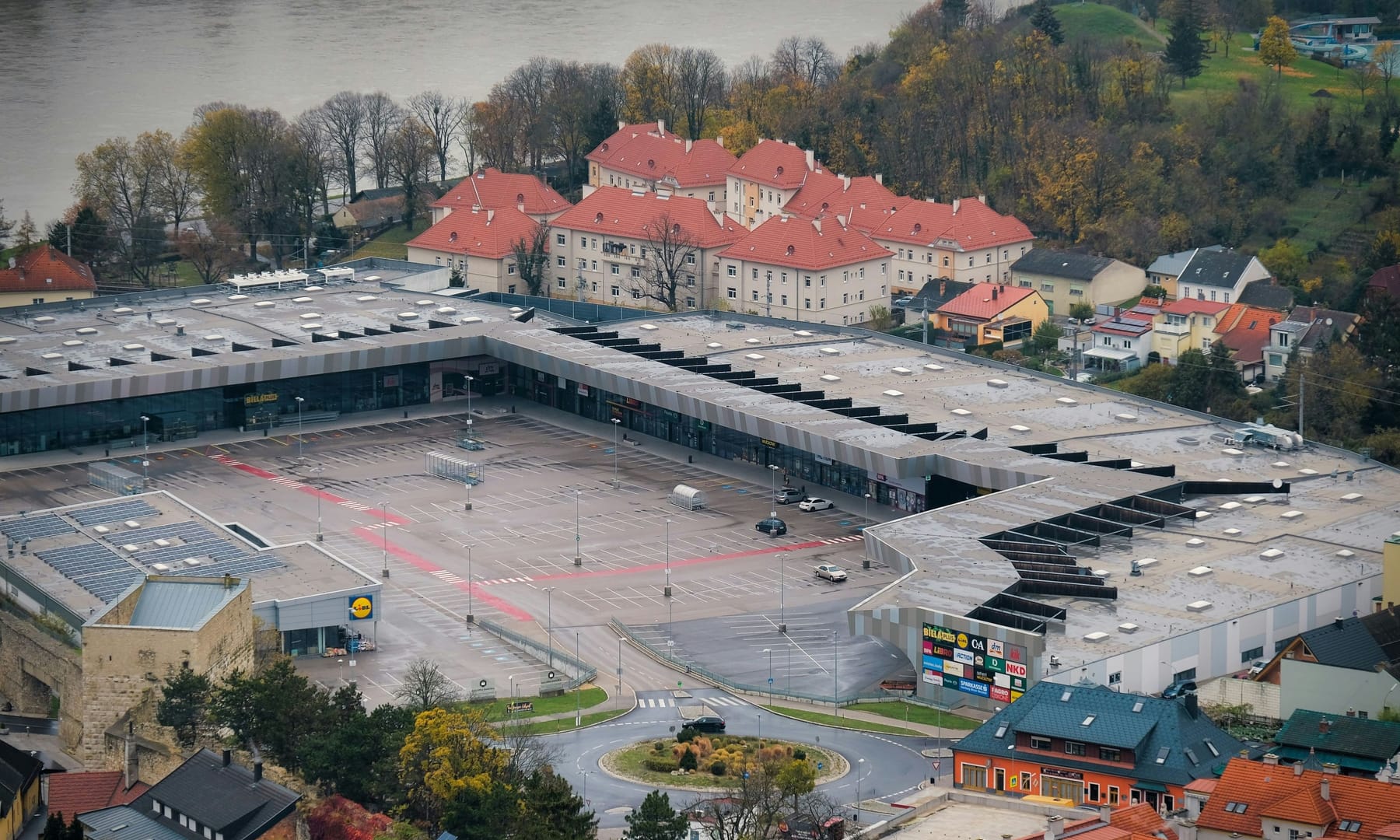
The same family owned the center for 57 years
A private family owned Crown Valley Center from its construction in 1969 until the $20.5 million sale to Asana Partners. Holding one commercial property for 57 years means the owners moved through recessions, inflation, changing grocery competition, e-commerce, pandemic disruption, and several interest-rate cycles without selling the underlying land.
Long ownership can create advantages that a short-term buyer doesn’t have. Original cost is usually far below current value, debt may be modest, and management knows the tenants and building history. The same history can leave rents below current market or capital projects overdue, creating opportunity and cost for the next owner.
The grocery anchor brings repeat traffic to smaller tenants
Smart & Final anchors the 62,627-square-foot center, joined by restaurants, services, and local shops. Grocery customers visit more often than shoppers buying furniture, electronics, or clothing, giving the property repeat traffic throughout the week. Nearby businesses can benefit from those trips when access, parking, visibility, and tenant placement make it easy to combine errands.
An anchor doesn’t guarantee every tenant’s success. Lease expiration, grocery performance, store size, loading, co-tenancy language, and the sales strength of smaller shops still matter. A center can remain busy while one poorly positioned suite turns over repeatedly.
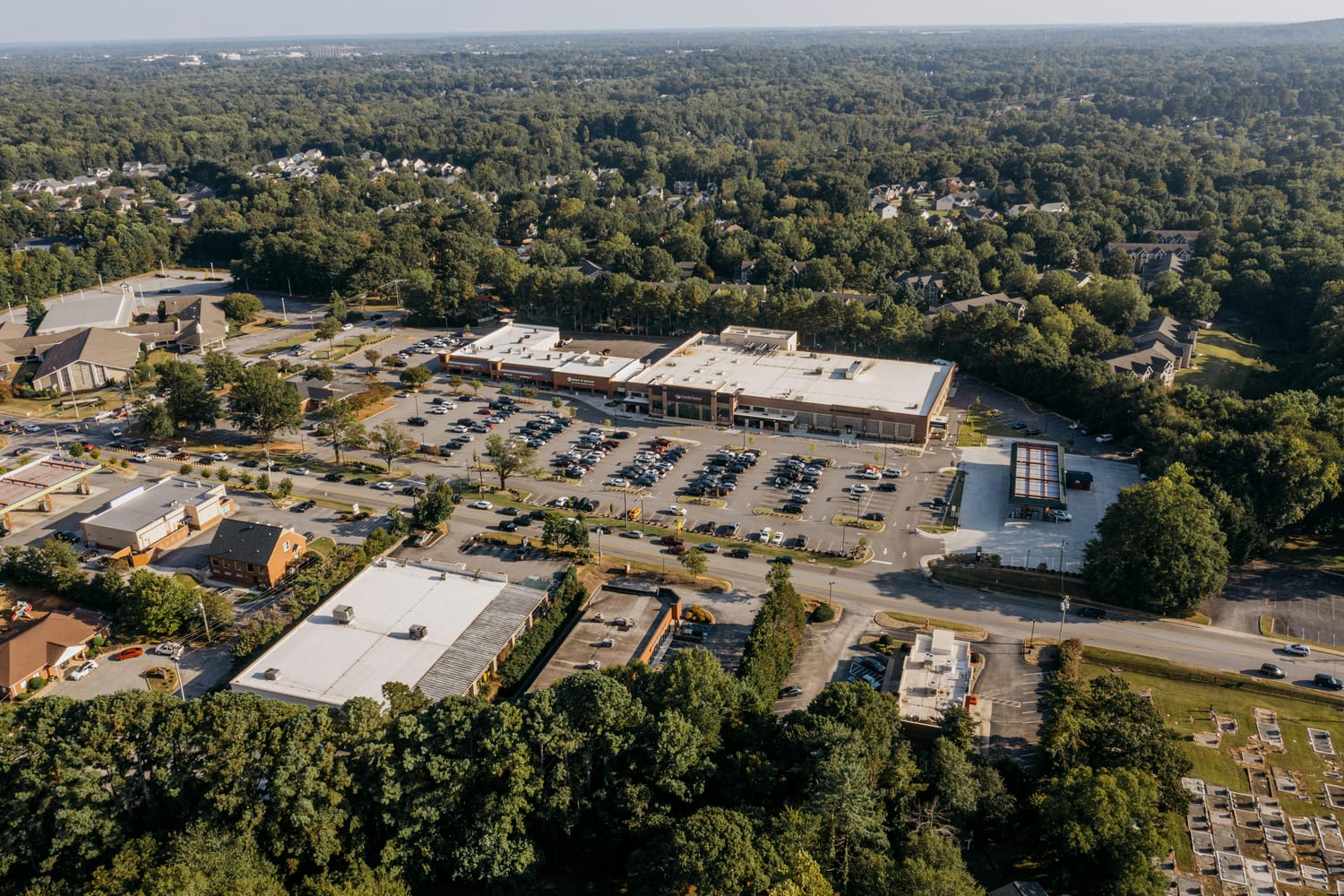
The $20.5 million sale price doesn’t disclose the property’s NOI
The reported price equals approximately $327 per square foot. Square-foot pricing helps compare land and buildings across sales, although it ignores rent, vacancy, expenses, lease term, and capital work. The transaction announcement didn’t disclose net operating income, so a reliable cap rate can’t be calculated from the public figures alone.
A complete review would require the rent roll, tenant sales where available, options, expense recoveries, property taxes after sale, roof and parking-lot condition, insurance, and planned improvements. The all-cash purchase removes financing uncertainty at closing but doesn’t explain the buyer’s eventual leverage or target return.
$20.5Mreported sale price
62,627 SFshopping-center area
57 yearsfamily ownership period
Raising rent may require tenant improvements and vacancy
JLL described the center as having significant rental upside, which usually means some leases sit below the rent a new tenant might pay. Raising income can increase property value, although higher rent isn’t automatic. Existing tenants may have options, relocation costs can be substantial, and replacing a local business can require months of downtime and improvement spending.
An experienced retail owner may renew strong tenants gradually, improve the property’s appearance, adjust the merchandise mix, and pursue higher rent when leases naturally expire. Preserving customer habits is important because the center’s value comes partly from serving the same nearby households repeatedly.
A grocery anchor and coastal location attracted the buyer
Investors have returned to grocery-anchored and service-oriented centers because many tenant sales can’t be replaced by online delivery alone. Affluent South Orange County households, limited infill land, and an established grocery anchor help explain why an institutional buyer pursued a property held by one family for nearly six decades.
Future performance will depend on tenant retention, new leasing spreads, property investment, and the price paid for improvements. The long hold proves the site survived earlier retail changes, while Asana Partners now has to show that professional management and new capital can improve the next chapter without weakening the neighborhood demand already in place.
The family’s 57-year ownership period shows that the site has been durable, while the return for the new buyer will depend on the price paid and the income that remains after expenses. The grocery anchor and surrounding Laguna Niguel households provide a regular customer base. Since the public announcement didn’t include NOI, I can’t calculate a reliable cap rate. The purchase will make more sense once the new owner shows how much rent can rise without losing good tenants or spending heavily to replace them.
I used the filings, reports, public records, and articles linked below. Figures in the three case studies are practice numbers and are identified near the top of each article.
01JLL announcement of the Crown Valley Center sale↗02Asana Partners company overview↗