

A hypothetical 82,000-square-foot neighborhood shopping center is offered without a stated price. The center is 94 percent occupied, has a grocery anchor, produces $1.22 million of stabilized NOI, and needs roof and parking-lot work soon after closing.
- Rentable area
- 82,000 SF
- Occupancy
- 94%
- Stabilized NOI
- $1.22 million
- Selected cap rate
- 6.5%
- Indicated value
- $18.7 million
- Offer range
- $16.8M to $17.4M
Scenario: 82,000 square feet, 94 percent occupancy, and roof work
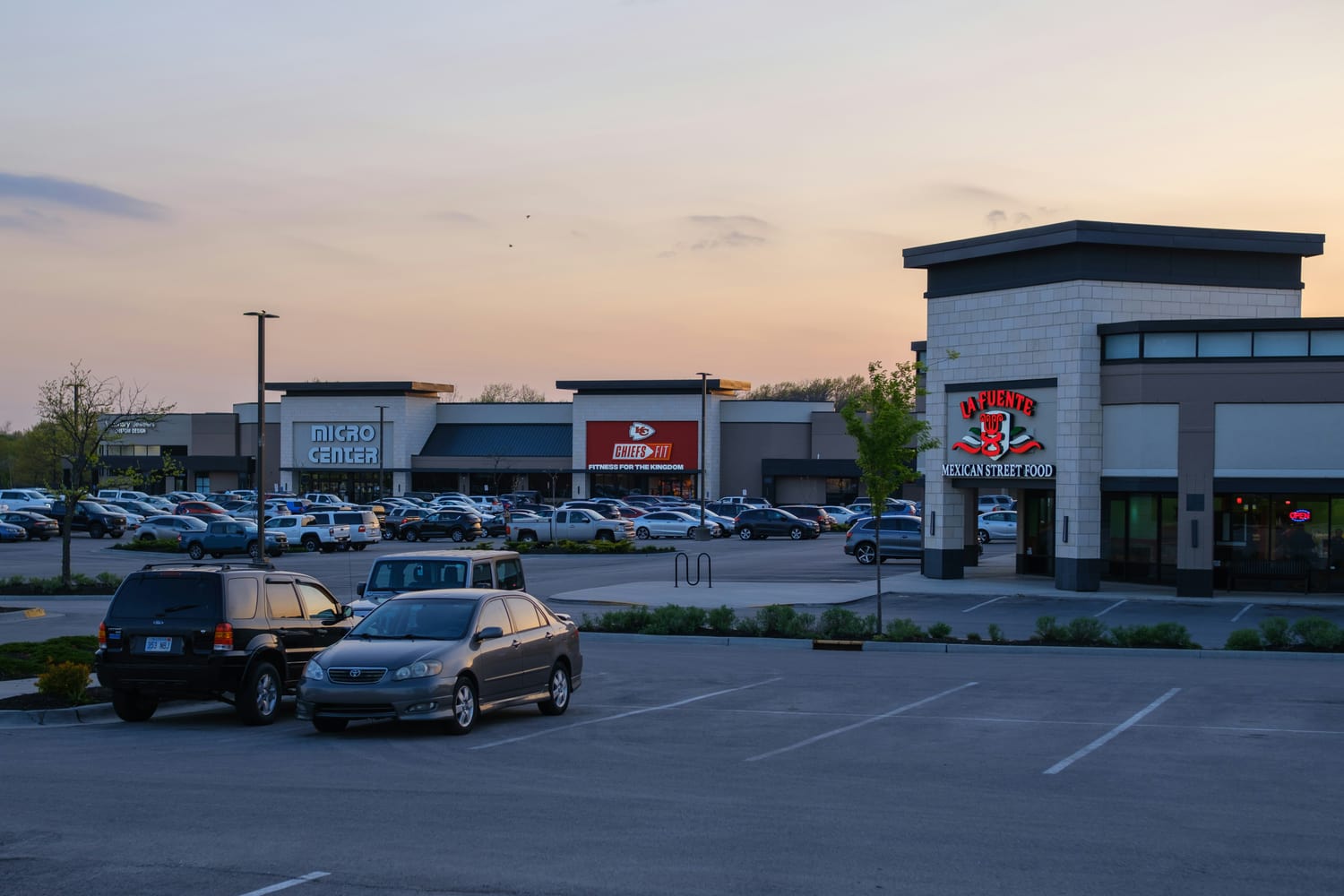
The case assumes an 82,000-square-foot neighborhood center anchored by a grocery store and supported by restaurants, services, and small shops. Physical occupancy is 94 percent, and the location has strong household density and visibility. Deferred roof and parking-lot work create the first major capital requirement for a buyer.
The anchor produces traffic and pays below-market rent under a long lease. Lower anchor rent can be reasonable when smaller tenants benefit from the traffic, although the center’s identity and leasing demand then depend heavily on one operator.
The rent roll shows which leases expire first
Each tenant needs to be separated by square feet, rent, lease expiration, options, security deposit, credit quality, and sales where available. A long anchor lease can make the weighted average term look comfortable even when several smaller spaces expire soon.
Below-market rent deserves a close reading because fixed renewal options may keep it low for years, while a tenant facing a large increase may decide to leave. Capturing the apparent spread can require leasing commissions, tenant improvements, free rent, and several months of vacancy before the new rate begins.
Unrecovered expenses reduce the seller’s NOI
Retail leases often reimburse common-area maintenance, taxes, and insurance. The lease language determines how much is actually recovered. Caps, exclusions, administrative fees, and vacant space can leave the owner responsible for more than the summary suggests.
Recoveries should be calculated separately for every tenant because caps, exclusions, and vacant space can leave expenses with the owner. Property tax also needs to reflect a possible reassessment after the sale, because the seller’s current bill may understate the buyer’s cost.
$1.22Mstabilized NOI
6.5%selected cap rate
$18.7Mindicated value
Roof, parking, and leasing costs reduce the offer price
Applying a 6.5 percent cap rate to $1.22 million of stabilized NOI indicates about $18.7 million. Near-term roof work, parking repairs, and expected leasing costs should then be deducted because the buyer inherits each requirement at closing.
A discounted cash-flow model would provide a second view because the lease expirations make the next several years uneven. Direct capitalization values a stable year, while a DCF shows when rent arrives and when capital has to be spent.
My offer range is $16.8 million to $17.4 million
A price between $16.8 million and $17.4 million would recognize the roof, parking, and near-term leasing work while leaving some room if a vacant space takes longer to fill. Inspection and lease review would determine where the offer belongs within that range.
Unresolved environmental issues, a much larger roof scope, or an anchor termination right would justify withdrawing or lowering the price. The center becomes more convincing when the executed leases support the income shown in the sales summary.
The simple cap-rate calculation gives the center a value of about $18.7 million, but that figure assumes the $1.22 million NOI is dependable and overlooks the bills coming soon. After allowing for the roof, parking lot, and two large lease expirations, I would start between $16.8 million and $17.4 million. Before making a real offer, I would read every lease and amendment and verify that the tenants are actually reimbursing the expenses shown in the seller’s statement.
I used the filings, reports, public records, and articles linked below. Figures in the three case studies are practice numbers and are identified near the top of each article.
01JPMorgan cap rate guide↗02City of Pasadena commercial market presentation↗