
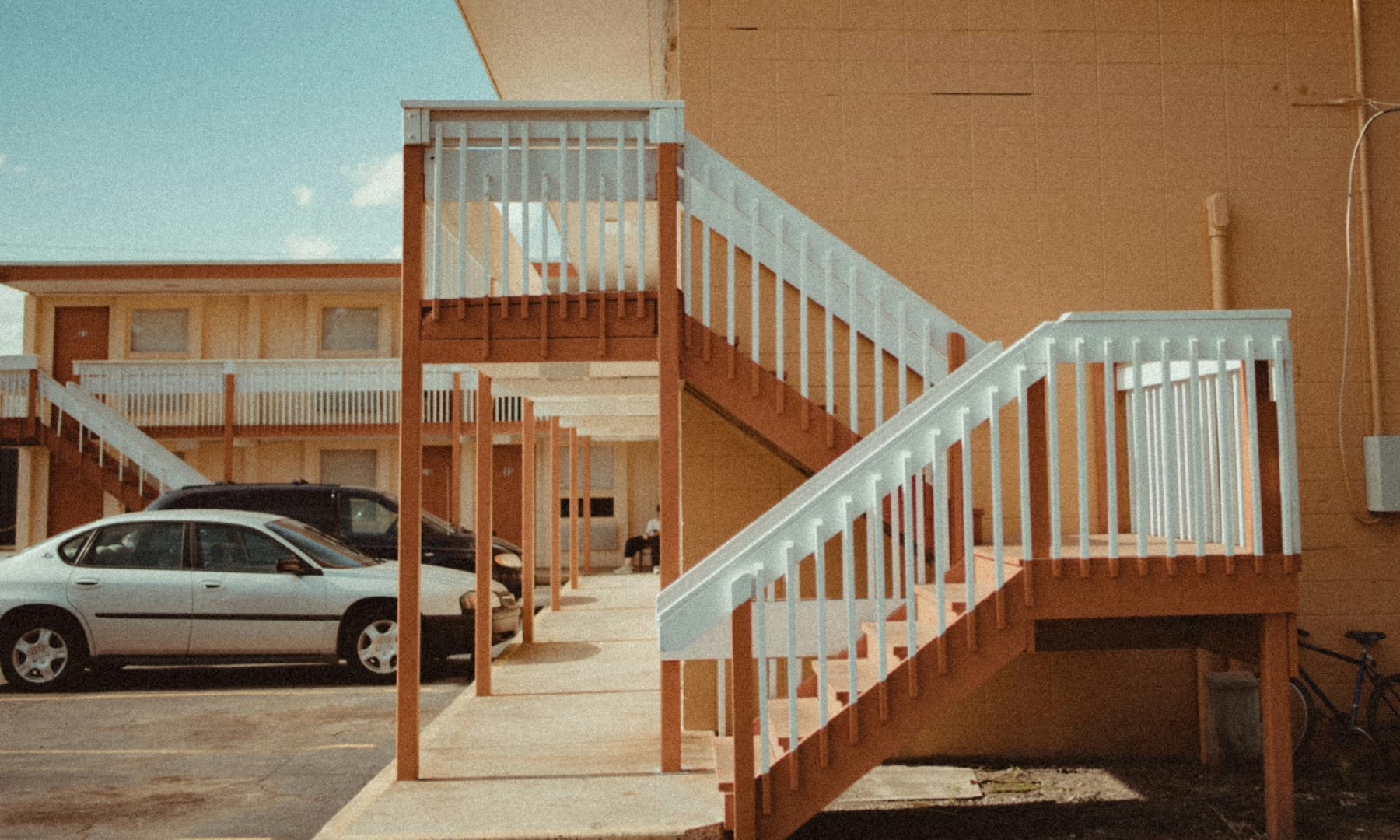
A 64-room independent motel in eastern Los Angeles County is offered for $11.8 million. The operating property has dated rooms, heavy online-travel-agency bookings, and a renovation plan that keeps part of the motel open during construction.
- Purchase price
- $11.8 million
- Room count
- 64
- Stabilized occupancy
- 72%
- Stabilized ADR
- $154
- Loan assumption
- 65% LTC at 7.1%
- Exit cap rate
- 8.0%
Scenario: 64 rooms, an $11.8 million price, and a renovation
The motel already serves value-conscious travelers, so the scenario doesn’t assume a conversion into an upscale hotel. The renovation covers room finishes, exterior lighting, photography, and a better reservation system while the hotel remains open.
Keeping the existing market position limits construction cost and reduces the risk of losing current guests. The plan has to improve cleanliness, reliability, booking experience, and visible condition without assuming that every renovated room can suddenly charge a luxury rate.
How 72 percent occupancy and a $154 ADR produce room revenue
A 64-room motel has 23,360 available room nights in a full year. With stabilized occupancy of 72 percent, the property would sell about 16,819 of them; at a $154 average daily rate, that produces roughly $2.59 million of room revenue and RevPAR of about $111.
Nearby competitors would need to support those figures by day of week, room type, parking, review score, and season. A single annual ADR can hide weak weekdays, so the revenue plan also needs an identifiable source of corporate, medical, project, or extended-stay demand.

Owner labor still needs a market salary
The expense estimate includes payroll, utilities, repairs, supplies, insurance, property tax, technology, marketing, and a management fee. Management remains in the forecast even if an owner plans to work at the motel, because personal labor still has an economic cost.
Insurance and renovation create the largest uncertainty. Older motels can hide plumbing, electrical, roof, and accessibility problems, so the budget would need physical inspections, insurance quotes, and a room-by-room scope before it could support a real offer.
$11.8Millustrative purchase price
64keys
7.4%stabilized yield on cost
The proposed loan leaves little room for a weak year
The base case assumes 65 percent loan-to-cost debt with a 7.1 percent interest rate and twenty-five-year amortization. Leverage improves the equity return when the motel performs as projected and makes the first two years less forgiving because renovation removes rooms from inventory while debt service continues.
An interest reserve and additional working capital would help absorb a slower opening year. Renovation removes rooms from inventory, online reviews take time to improve, and booking habits rarely change as quickly as a forecast expects.
My price limit and decision
The base exit uses an 8.0 percent cap rate, wider than the stabilized yield on cost, so the return doesn’t depend on cap-rate compression. Sale costs are deducted and the remaining loan balance is repaid before calculating equity proceeds.
I would continue reviewing the motel near the assumed price only if nearby room rates support the forecast, the inspection produces a complete renovation budget, and management has a credible plan to increase direct bookings. Weak evidence in any of those areas would lead me to lower the price.
I would keep reviewing the motel at $11.8 million only after inspections supported the renovation budget and nearby competitors showed that a $154 average rate was realistic. The case doesn’t leave much room for a major plumbing, roof, or electrical surprise. If the room-rate evidence were weak or the repairs were larger than expected, I would lower the price rather than make the occupancy forecast more optimistic. RevPAR and renovation cost have the greatest effect on the result.
I used the filings, reports, public records, and articles linked below. Figures in the three case studies are practice numbers and are identified near the top of each article.
01AAHOA hotel ownership and operations↗02JPMorgan cap rate explanation↗