The 60 percent figure refers to ownership, not hotel rooms
AAHOA reports that its members own 60 percent of U.S. hotels, and the organization’s large Indian American membership has led people to repeat the figure as an ethnic ownership statistic. AAHOA’s research measures member ownership rather than the ethnicity of every hotel owner, so I don’t think the entire 60 percent should be presented as independently verified Indian American ownership.
Even with that qualification, the scale remains remarkable. AAHOA's national findings list more than 36,000 member-owned hotels and about 3.2 million guestrooms, reflecting decades spent building operating knowledge and creating access to capital in an industry that initially offered many families little of either.
Roadside motels offered a lower-cost first purchase
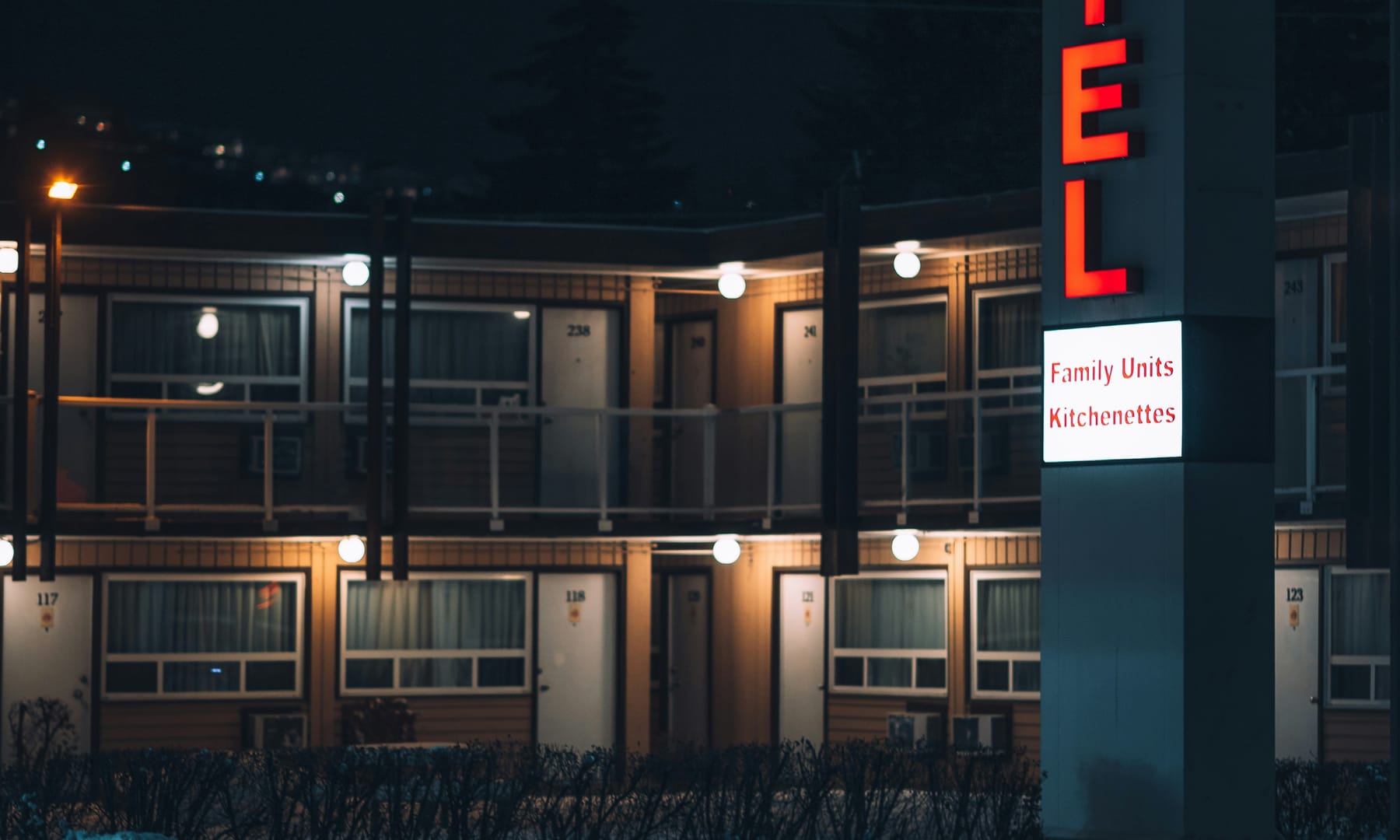
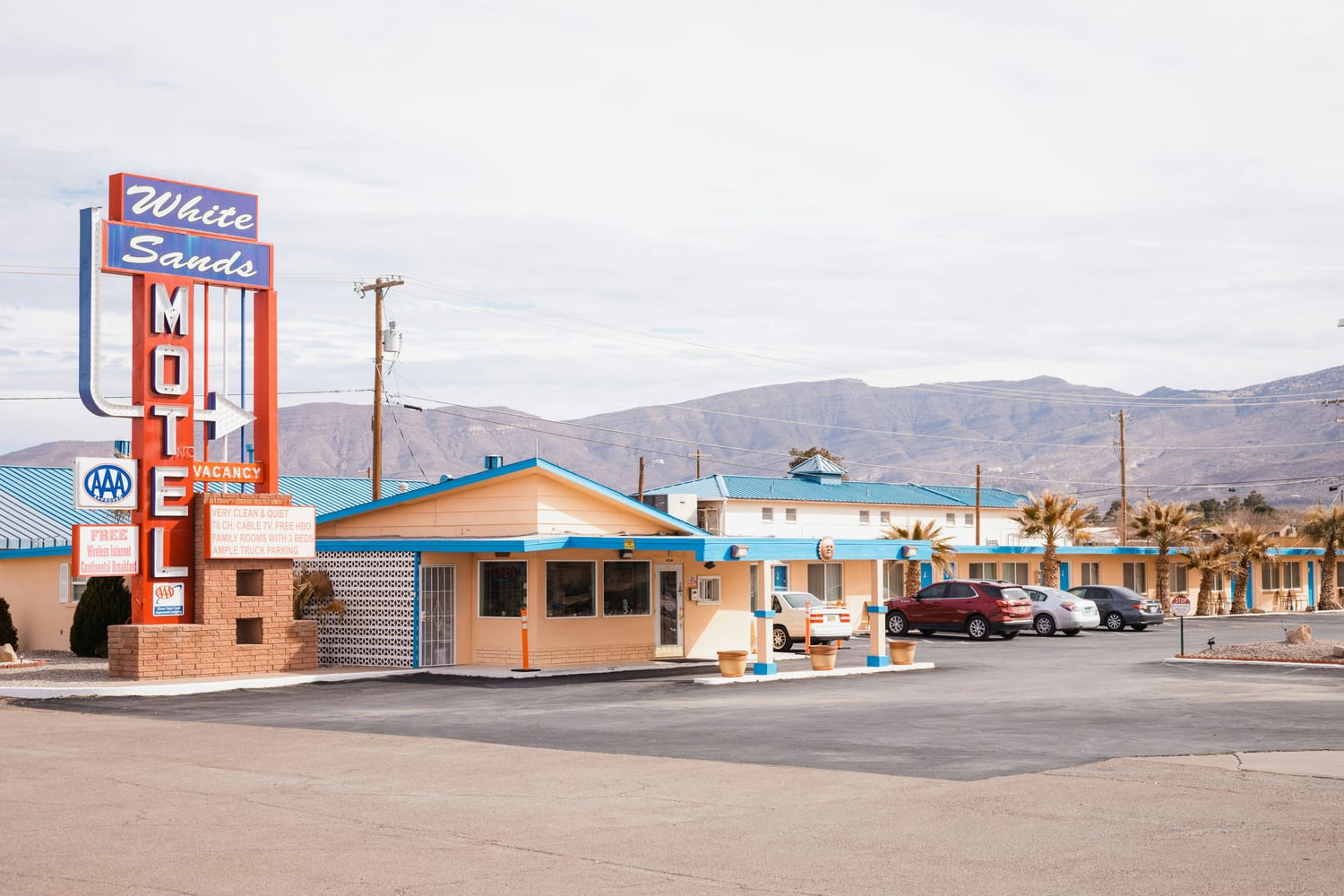
Roadside motels offered a rare combination of business and housing. A family could live on the property, reduce outside payroll, and place nearly all of its time into the operation. Many early buyers targeted buildings that larger operators considered old, poorly located, or too small, exchanging a lower purchase price for an unusually heavy commitment of family labor.
Labor and direct supervision partly compensated for limited financial capital. The same building produced income, provided housing, and could become collateral for a later investment. Once the first property improved, refinancing or a sale helped some families fund a larger hotel.
Family loans helped buyers who lacked bank financing
Traditional lenders did not always understand new immigrant borrowers and often avoided marginal properties. Families and community networks filled part of the gap by pooling equity, guaranteeing loans, and sharing operating knowledge. The risk remained, although it was distributed among people who usually had close information about both the operator and the property.
The network also reduced the cost of learning. A first-time owner could ask another hotelier about a franchise agreement, reservation system, vendor, or lender. Practical information can matter as much as a lower interest rate because a bad franchise clause or underestimated renovation can erase a property’s equity quickly.
60%AAHOA member share of U.S. hotels
36,807member-owned properties
3.2Mguestrooms represented
One motel often helped finance the next property
The basic path often moved from an independent motel to a franchised limited-service hotel and then to larger branded assets. Each step required more capital but also provided stronger distribution and, in some cases, more stable financing. Children who grew up around the front desk later brought accounting, law, construction, and revenue-management skills into the family business.
The progression explains why the ownership base now includes far more than low-cost motels. AAHOA member portfolios extend across classes and major brands, with an operating model that evolved from direct family labor toward development, professional management, and portfolio strategy.
The ownership share grew through reinvestment and specialization
Hard work forms only one part of the explanation. Small hotels offered a practical entry point, community capital supported purchases, experienced owners shared information, families supplied labor, and profits were repeatedly reinvested. Together, these factors made each later acquisition more achievable than the first.
The model carries several costs because concentrating family wealth in one cyclical industry increases risk, informal partnerships can create disputes, and the next generation may want a different career. Strong operators respond by formalizing ownership agreements, separating real estate from operations, and building management teams that extend beyond family relationships.
The 60 percent figure sounds sudden when it is presented without its history. In reality, many families began with properties that other buyers avoided, lived where they worked, borrowed through personal networks, and learned from owners who had already made the same mistakes. Reinvesting the cash flow from one motel made the next purchase more achievable. Repeated over several decades, that process grew into an ownership network that now includes major branded hotels and professionally managed portfolios.
I used the filings, reports, public records, and articles linked below. Figures in the three case studies are practice numbers and are identified near the top of each article.
01AAHOA national findings↗02AAHOA organizational history↗