

Owner-operators see problems before the monthly report
A small hotel creates hundreds of operating decisions every day. A late housekeeper, a leaking air conditioner, a guest asking for a refund, and a room that should be taken out of inventory all affect the same profit and loss statement. In a family operated property, the person at the desk may also review the bank account, allowing information to move through the business almost immediately. A regional corporate manager usually receives the same information through reports after the shift has ended.
Hotel rooms are perishable inventory, so an unsold room tonight cannot be saved for tomorrow. An owner who sees demand soften during the afternoon can adjust rates or staffing before the shift ends, while a distant manager may receive the same information after the revenue opportunity has passed. Faster access to information is the advantage; family ownership doesn’t prove that relatives work harder than employees.
Labor is the largest controllable expense
Limited-service motels have fewer departments than full-service hotels, so labor scheduling has an unusually visible effect on margins. An owner-operator can cross-train a front desk employee to help with breakfast setup, inspect rooms personally, or cover a short shift without calling an outside manager. A corporate operator needs clearer job boundaries, more formal scheduling, and enough management coverage to protect consistency across many locations.
Every hour worked by an owner or relative should receive a market wage in the comparison. Leaving those hours unpaid overstates earnings and creates a succession problem when the next operator expects a salary. A motel has a real labor-cost advantage only when the profit remains attractive after recording those wages.
Two dollars per occupied room can add $18,000 to NOI
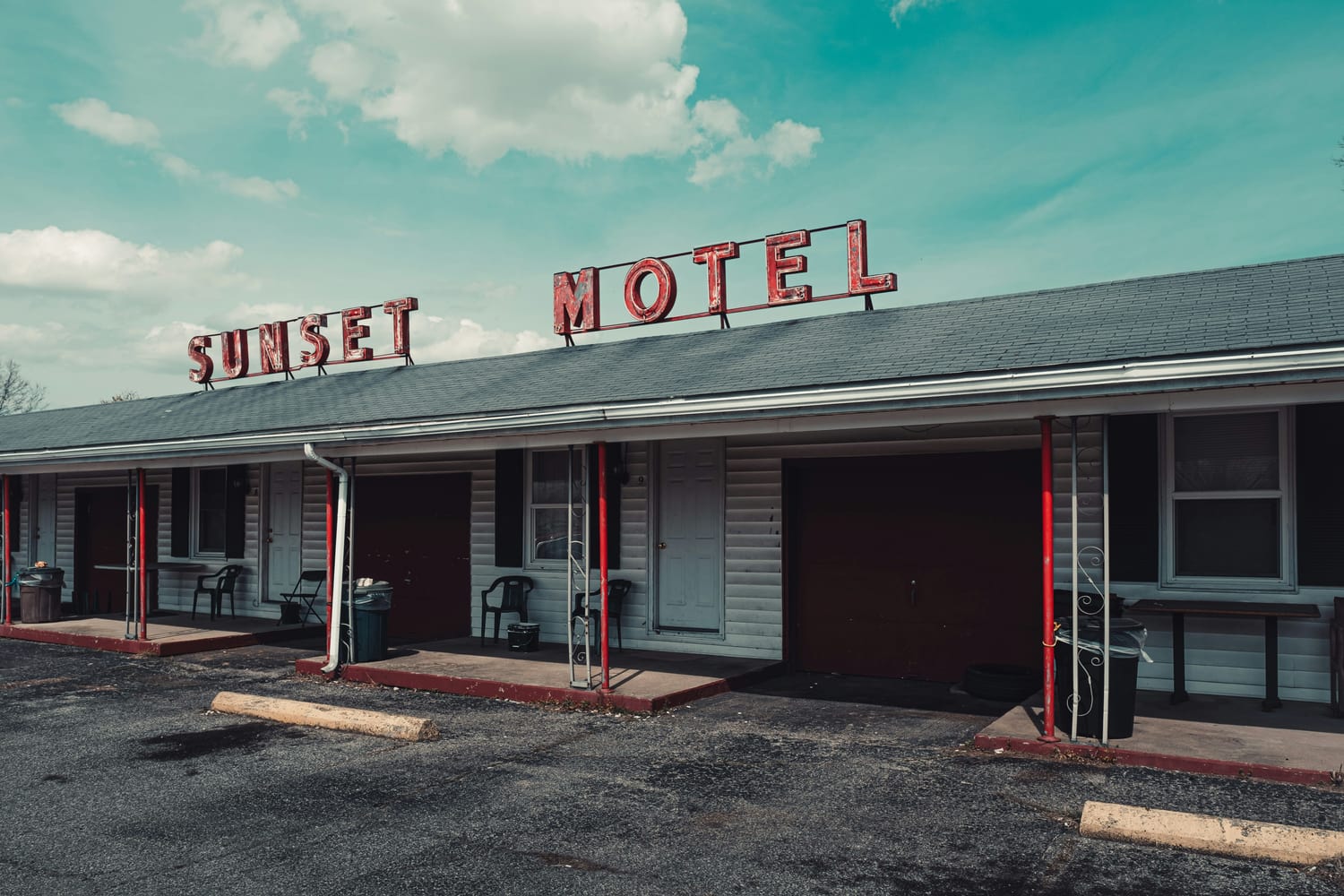
The owner of a forty-room motel notices when laundry chemicals are being overused or a supplier raises the price of breakfast items. A few dollars saved per occupied room may sound minor until it repeats across thousands of room nights. A two-dollar improvement across 9,000 occupied room nights adds $18,000 to annual net operating income, which could support roughly $225,000 of additional property value at an 8 percent cap rate.
Corporate operators bring purchasing scale because national contracts can lower the cost of linens, software, insurance, and credit-card processing. Faster local decisions may offset some of those savings at a small roadside motel. A convention hotel with restaurants, union labor, group sales, and several department heads benefits much more from specialized management.
24/7owner visibility
3core advantages
1 riskkey-person dependence
Unpaid family labor can overstate the motel’s profit
A property that depends on one person is fragile. Illness, family conflict, or simple exhaustion can damage service and delay needed repairs. Informal processes also make it harder to compare performance over time. If refunds, maintenance requests, and cash purchases are not recorded consistently, ownership may feel close to the business while still missing the trend.
Family operators can preserve their speed without relying entirely on memory. Written checklists, labor cost per occupied room, budget comparisons, and clear approval limits make the motel easier for a future manager, lender, or family member to understand.
Pay every family member a market wage before comparing margins
Similar limited-service motels could be compared through gross operating profit per available room, labor cost per occupied room, guest reviews, maintenance expense, and owner hours. RevPAR covers only part of the picture because a corporate flag may produce more revenue while adding franchise and management fees. The better comparison is the cash left after every operating cost.
Owner operation should have its clearest advantage at smaller properties where direct supervision replaces several management positions. As the room count and number of departments increase, distribution, formal systems, and specialized staff become more valuable than one owner’s presence at the front desk.
I would compare family-run and corporate motels only after assigning a normal wage to every person who works at the property. Lower cost per occupied room, faster maintenance, and better guest service would then represent a genuine operating advantage. Profit that depends on several relatives working without recorded pay leaves an expense for a buyer, outside manager, or the next generation to absorb.
I used the filings, reports, public records, and articles linked below. Figures in the three case studies are practice numbers and are identified near the top of each article.
01AAHOA national hotel ownership findings↗02AAHOA history of Asian American hotel ownership↗