

What the tenant usually pays
In a triple-net lease, the tenant generally pays or reimburses property taxes, building insurance, and maintenance in addition to base rent. The structure can make the landlord's cash flow easier to forecast by limiting the effect of a tax increase or larger utility bill on net operating income, which helps explain the frequent comparison with bonds.
The bond comparison has clear limits because a property may need a new roof, includes a parking lot and other physical systems, and can become difficult to lease after its tenant leaves. Lease wording creates additional variation because some tenants handle structural work directly, while other agreements leave the roof, foundation, or major systems with the landlord. The responsibility schedule matters more than the NNN label in a marketing package.
Credit and real estate have to be separated
A recognizable logo can make a single-tenant property feel safe even when the company on the sign is different from the entity guaranteeing the rent. The legal tenant may be a franchisee, a thin operating subsidiary, or a company with substantial debt. The exact guarantor, its financial statements, and the lease remedies all need to be identified.
The parcel also needs to work without the current tenant. Visibility, access, standard building dimensions, and the cost of dividing or repurposing the space determine whether another business could use it. A mediocre location can remain occupied for fifteen years and still become a major loss when the lease ends.
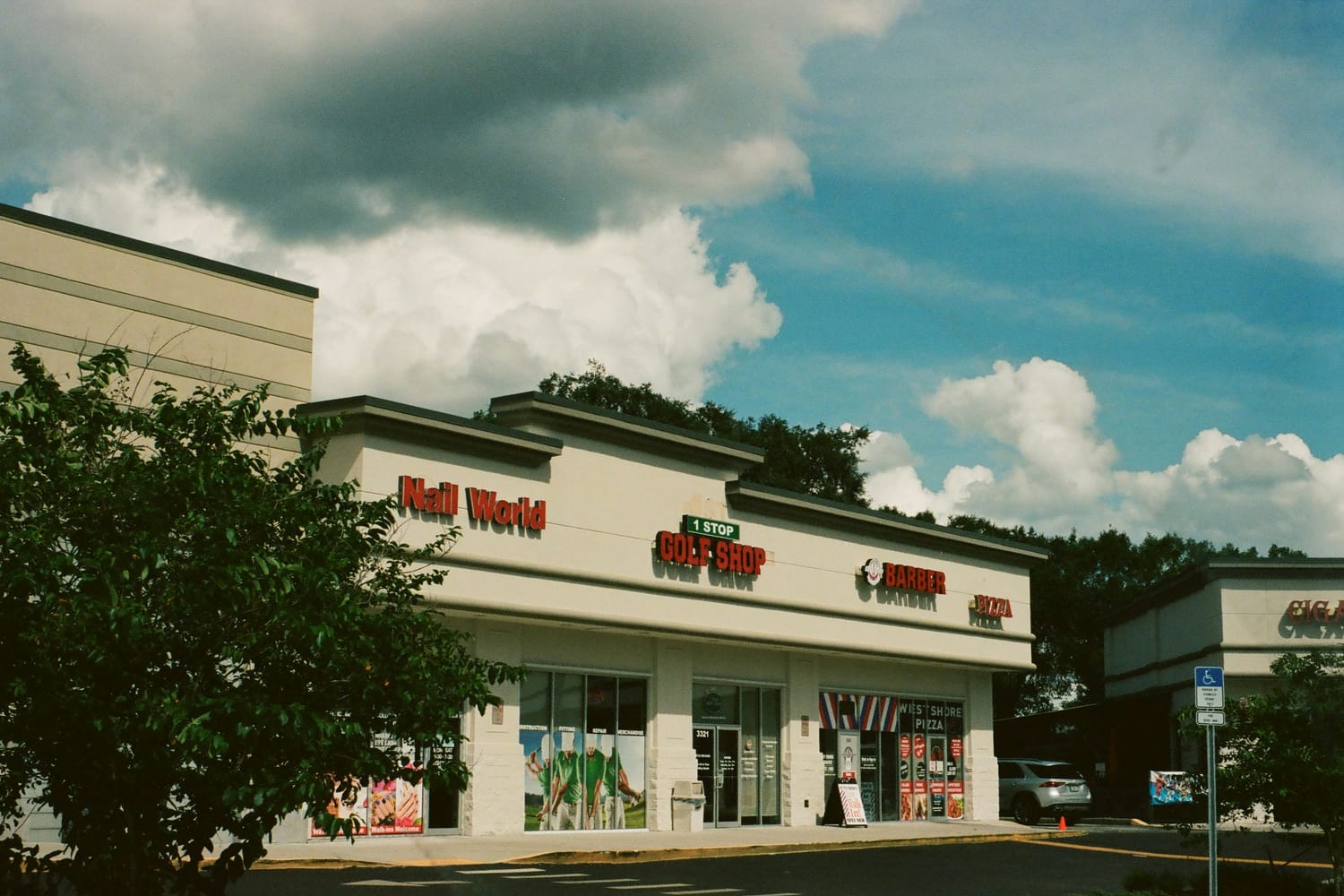
Flat rent can quietly lose value
Long lease terms become more valuable when the rent schedule also protects purchasing power. Ten years of flat rent can fall well below the market during an inflationary period, while small fixed increases or periodic percentage bumps preserve more of the landlord's income. Buyers often accept a lower initial yield in exchange for that stronger contractual growth.
Contract rent should be compared with market rent during every year of the planned hold. Above-market rent increases current income and creates a larger drop if a replacement tenant pays less. Below-market rent may offer future growth when the lease expires, unless a low-cost renewal option postpones the reset.
3major expenses shifted
1 tenantcommon income source
100%vacancy after a move-out
Questions to answer before an offer
The first review should cover the guarantor, remaining lease term, rent increases, renewal options, assignment rights, casualty language, environmental history, and responsibility for major capital items. The review should also estimate the value of the vacant property and the cost of carrying it for twelve months. For me, that downside value matters more than a comparison with another occupied store.
After diligence, a triple-net property can become relatively simple to manage. Reaching that point requires a concentrated review of the tenant, lease, and underlying real estate because the landlord has exchanged frequent operating decisions for a small number of much larger risks.
The triple-net properties I find most convincing combine a clear lease with real estate that another business could use without a complete reconstruction. A famous logo doesn’t help if the weak subsidiary or franchisee on the lease is the only party responsible for rent. Flat rent and a highly specialized building also deserve a higher yield. The ownership may require fewer weekly decisions, but the tenant and lease expiration deserve more attention, not less.
I used the filings, reports, public records, and articles linked below. Figures in the three case studies are practice numbers and are identified near the top of each article.
01Realty Income annual reports and portfolio disclosures↗02SEC company filings search↗