
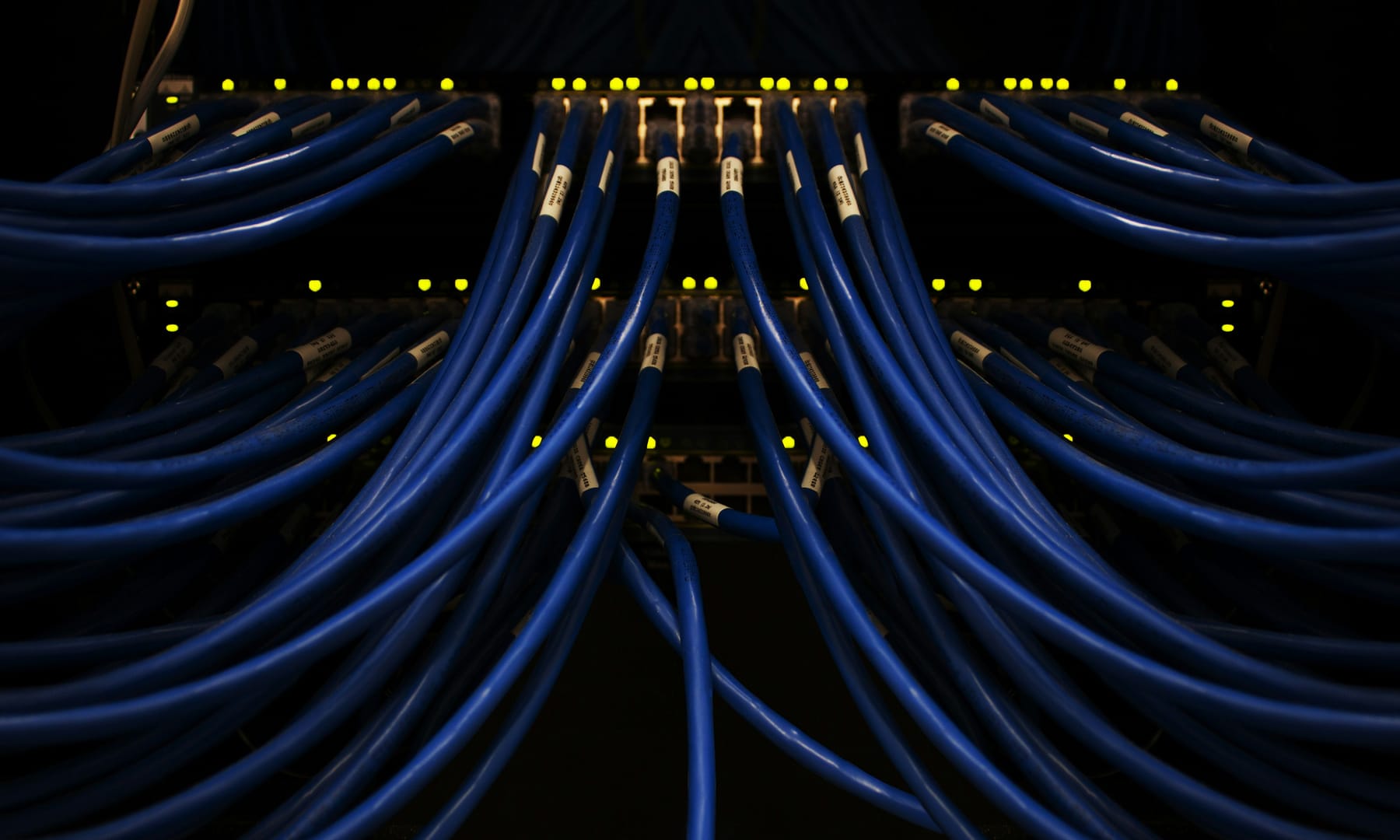
AI spending includes servers, networking, land, buildings, and power
Capital expenditure includes GPUs and CPUs, custom accelerators, storage, network equipment, power systems, land, and data-center buildings. Some assets may be replaced within a few years, while the buildings and electrical infrastructure can remain useful for decades.
Microsoft said roughly two thirds of its recent quarterly spending went toward shorter-lived assets, mainly GPUs and CPUs. Alphabet described a similar split in which about 60 percent of its infrastructure spending went to servers and 40 percent to data centers and networking. The mix affects depreciation, replacement needs, and how quickly today’s equipment can become outdated.
Microsoft has the clearest cloud revenue connection
Microsoft reported quarterly revenue of $82.9 billion, with Microsoft Cloud revenue of $54.5 billion. Management said its AI business passed a $37 billion annual revenue run rate and customer demand still exceeded available capacity, giving the company a visible reason to add more servers.
The company expects roughly $190 billion of calendar-year capital spending, including higher component pricing. Cloud gross margin has faced pressure from AI infrastructure and rising usage, so the return should appear through faster Azure growth, more paid Copilot users, and efficiency improvements across the fleet.
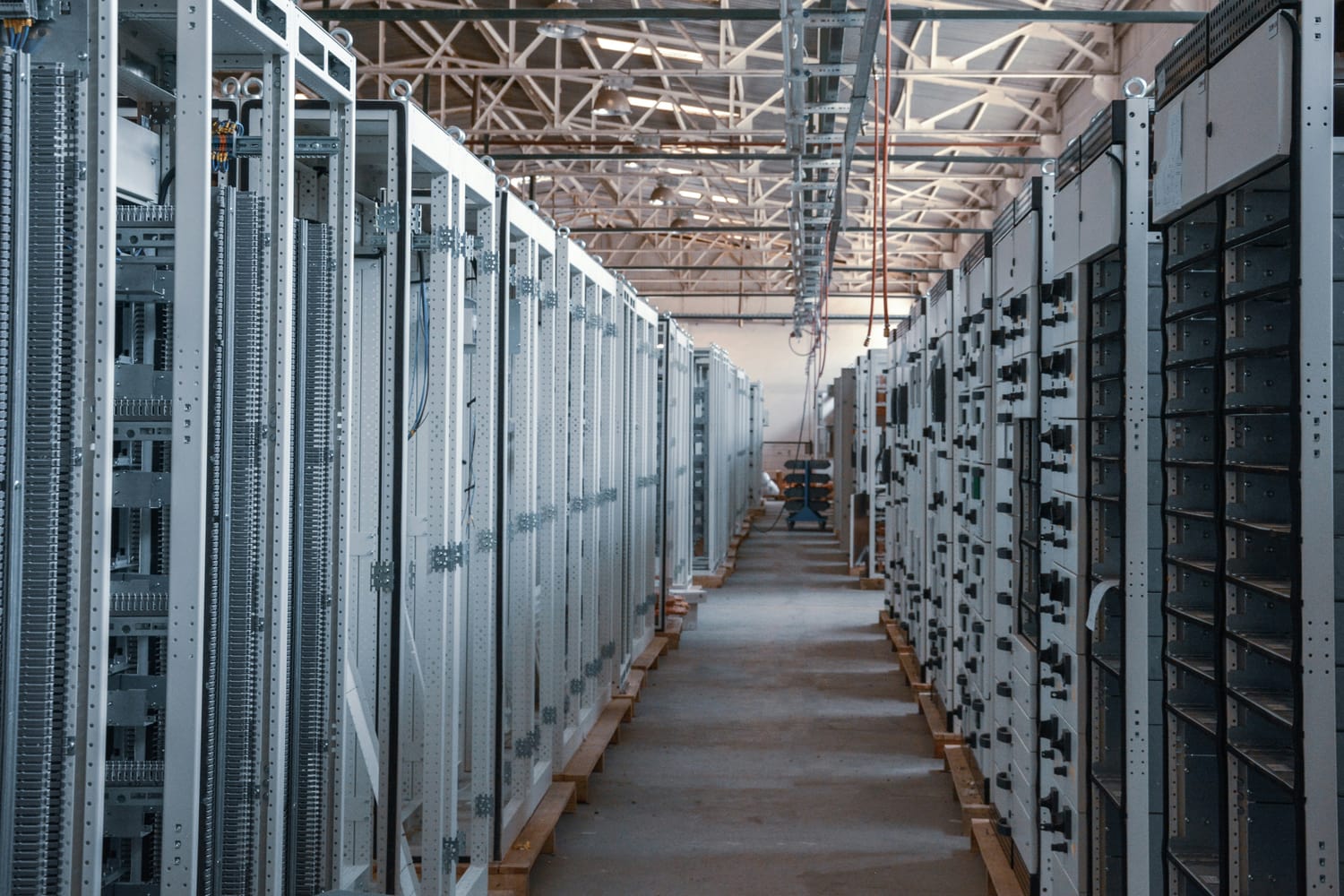
Alphabet can fund the buildout from several businesses
Alphabet generated $164.7 billion of annual operating cash flow and reported $91.4 billion of capital spending in its latest full year. Management expects spending between $175 billion and $185 billion as it expands Google Cloud, Gemini, Search infrastructure, and its own TPU capacity.
Cloud revenue grew 48 percent in the reported quarter, and cloud operating margin reached 30.1 percent. Search and YouTube still produce much of the company’s cash, so the analysis should separate revenue directly earned from cloud customers from infrastructure used to protect and improve the existing advertising business.
$190BMicrosoft calendar-year capex outlook
$175B to $185BAlphabet capex outlook
$70B to $72BMeta prior-year capex range
Meta has to earn the return mainly through advertising
Meta’s infrastructure supports recommendation systems, advertising tools, content ranking, generative products, and research. Unlike Microsoft and Alphabet, Meta doesn’t operate a cloud platform of similar scale where outside customers directly rent much of the new computing capacity.
A return can still appear through better ad targeting, higher engagement, new products, and lower future computing cost. The link is less direct, making advertising revenue, operating margin, capital spending, free cash flow, and user engagement especially important when judging whether the infrastructure is productive.
Chip suppliers gain revenue while cloud companies carry depreciation
Nvidia, Micron, Broadcom, Marvell, Sandisk, and other suppliers benefit when these companies order more processors, memory, networking, and storage. The same orders become capital assets on the buyers’ balance sheets and depreciation expense in future periods.
I would compare capacity growth with actual usage and revenue. Continued shortages, a rising cloud backlog, expanding AI revenue, and lower cost per workload would support further investment, while falling utilization, slower customer commitments, weaker margins, or rapid equipment replacement would suggest that construction has moved ahead of demand.
Microsoft, Alphabet, and Meta can all fund AI infrastructure with cash from their existing businesses, although that doesn’t guarantee that every data center will earn an attractive return. I would compare Microsoft’s spending with Azure growth and paid AI products, then review Alphabet’s cloud growth alongside the effect of AI on Search. Meta has a less direct path because much of its return has to appear through advertising, engagement, or lower computing costs. Depreciation, free cash flow, and equipment utilization should eventually show whether all three companies are using the new capacity as quickly as they are building it.
I used the filings, reports, public records, and articles linked below. Figures in the three case studies are practice numbers and are identified near the top of each article.
01Microsoft fiscal-year quarterly earnings call↗02Alphabet earnings call and infrastructure outlook↗03Meta capital expenditure outlook↗